SELECT * FROM category_ques_ans WHERE web_id = 50 AND section_wise_category_id = 74 and active = 0
Construction Design And Development Service | Construction Business Review APAC
CLOSE
  • Outdoor Construction
  • Construction Consulting Europe
  • Mechanical Contractor Canada
  • Mould Remediation and Testing Europe
  • Swimming Pool Construction APAC
  • Building Sealing Solutions Europe
  • Kitchen and Bath
  • Decking Canada
  • MEP APAC
  • Construction Saudi Arabia
  • Construction Law APAC
  • Construction Coating Europe
  • Foundation Construction Canada
  • MEP Canada
  • Apartment and Condominium Contractors Canada
  • Cold Storage Construction APAC
  • Precast Concrete Europe
  • Construction Staffing Europe
  • Pre-Construction Services
  • Flooring System APAC
  • Scaffolding Canada
  • Swimming Pool Construction Canada
  • Residential Construction
  • Systems
  • Structures
  • Professional Services
  • Construction Forensic and Owners Representative Europe
  • Buinding Restoration and Maintenance Europe
  • Modular and Prefab Construction Europe
  • Construction Interiors Europe
  • Outdoor Construction Europe
  • Pre-Construction Services Europe
  • Building Restoration and Maintenance Canada
  • Construction Management Canada
  • Concrete Canada
  • Construction Cladding APAC
  • Concretes, Aggregates and Construction Materials APAC
  • Concretes, Aggregates and Materials Europe
  • Commercial Contractors Europe
  • Commercial Contractors APAC
  • Dummy
  • Flooring Systems Europe
  • Construction Management APAC
  • Landscaping Canada
  • Construction Engineering Services
  • Construction Bidding and Auctions
  • Mechanical Electrical and Plumbing
  • Roofing and Siding Systems Europe
  • Architectural Glass APAC
  • Startups APAC
  • Forensic and Owners Representative
  • Flooring System
  • Waterproofing APAC
  • Wall Systems
  • Safety and Compliance Europe
  • Architecture and Design Services
  • Modular and Prefab Construction
  • Architectural Glass
  • Construction MENA
  • Construction Demolition and Recycling Europe
  • Construction Interiors
  • Kitchen and Bath Europe
  • Steel Building APAC
  • HVAC
  • Doors and windows
  • Roofing and Siding Systems
  • Modular Construction Canada
  • Cold Storage Construction Canada
  • Insulation, Coating and Waterproofing
  • Building Information Modeling APAC
  • Architectural Glass Canada
  • Sustainable Construction APAC
  • Building Restoration and Maintenance
  • Commercial Contractors
  • Specialty Construction
  • Construction Engineering Canada
  • Construction Engineering MENA
  • Specialty Construction Europe
  • Modular Construction APAC
  • Construction Marketing
  • Construction Latam
  • Workforce Management and Staffing
  • Roofing Systems APAC
  • Construction Consulting
  • Steel Building Europe
  • Construction Demolition and Recycling APAC
  • Safety and Compliance APAC
  • Concretes, Aggregates and Materials
Skip to: Curated Story Group 1
Construction Business Review
US
EUROPE
APAC
CANADA
MENA
LATAM
AUSTRALIA

Advertise

with us

  • APAC
    • US
    • EUROPE
    • CANADA
    • AUSTRALIA
  • Home
  • Sections
    Architectural Glass
    Building Information Modeling
    Cold Storage Construction
    Commercial Contractors
    Concretes, Aggregates and Construction Materials
    Construction Cladding
    Construction Demolition and Recycling
    Construction Law
    Construction Management
    Flooring System
    MEP
    Modular Construction
    Roofing Systems
    Safety and Compliance
    Startups
    Steel Building
    Sustainable Construction
    Swimming Pool Construction
    Waterproofing
  • Leadership Perspectives
  • Insights
  • News
  • Conferences
  • CXO Awards
  • About Us

Thank you for Subscribing to Construction Business Review Weekly Brief

Architecture and Design Services

Construction Design and Development Service

Construction design and development service is a comprehensive segment focused on transforming concepts into buildable solutions through integrated planning, architectural design, and engineering coordination. It combines creativity with technical expertise to ensure functionality, sustainability, regulatory compliance, and cost efficiency, delivering cohesive, high-performance outcomes across residential, commercial, and infrastructure projects.

Solutions
American Incorporated: Engineering beyond Standard Solutions
American Incorporated
American Incorporated: Engineering beyond Standard Solutions
Warren Oldfield, CEO
Why do industrial projects often fall short of operational requirements?

Industrial facilities that rely on specialized mechanical systems depend on seamless coordination across design, fabrication, installation, and ongoing service to ensure reliable performance. Yet facility owners frequently encounter ventilation or process systems that fail to meet operational or hygiene requirements, equipment with long sourcing timelines, or contractors constrained by rigid lowest-bid specifications. When trades operate in silos or teams fail to align early, projects can slip into delays, rising costs, and solutions that satisfy drawings but fall short of real-world needs.

Bridging these gaps requires a partner capable of aligning engineering insight, fabrication capability, and field execution within a unified delivery framework. This is where American Incorporated a multidisciplinary construction and engineering firm, has established its role.

Recognized as a top Construction Design and Development Service, it specializes in mechanical, electrical, and plumbing (MEP) contracting alongside general construction, HVAC, plumbing service, and demolition support. Working across commercial, industrial, federal, and military sectors, the company is particularly recognized for its work with industrial and food manufacturing facilities, where performance and hygiene standards leave little margin for error. In these environments, American Incorporated designs and manufactures custom air-handling systems featuring dedicated filtration, stainless-steel interiors, and airflow configurations engineered to help prevent microbial growth and support strict sanitation requirements.

“We try to work directly with the end client or end user to give them the best design for the value of what they’re trying to accomplish,” says Warren Oldfield, CEO. “When relationships allow us to collaborate early through a design-build approach, we can continually refine systems and deliver something better for the customer.”
Read more
State of Industry

Construction Design and Development: Integrating Vision and Execution for Sustainable Growth

Construction design and development align architecture, engineering, planning, and project delivery to create efficient, resilient, and commercially successful built environments.

Construction design and development sit at the core of infrastructure growth, urban expansion, and commercial real estate transformation. From residential communities and mixed-use developments to industrial parks and public infrastructure, the integration of strategic planning, innovative design, and disciplined execution determines long-term asset value and operational performance. For developers, investors, contractors, and public authorities, aligning design excellence with cost control, regulatory compliance, and sustainability objectives has become a competitive necessity rather than a differentiator.

Modern construction development no longer operates in silos. It integrates multidisciplinary collaboration, digital modeling, environmental stewardship, and lifecycle planning to create structures that meet immediate functional needs and long-term economic viability. Supply chain resilience has become increasingly critical. Fluctuations in material availability and pricing require diversified sourcing strategies and long-term supplier partnerships. Early procurement planning reduces exposure to volatility and project delays. Risk management frameworks ensure project stability.

Market Drivers and Industry Evolution

Major cities continue to expand housing, transportation, and commercial capacity to accommodate population growth and evolving economic activity. Infrastructure modernization programs across developed and emerging economies further stimulate design and development pipelines. Regulatory frameworks encourage energy-efficient construction, carbon reduction, and circular material usage. Developers now integrate energy modeling, renewable energy systems, and low-carbon materials at early design stages to align with environmental targets and investor expectations.

Financial institutions and investors drive transformation. Projects that demonstrate energy efficiency, climate resilience, and community integration attract stronger funding opportunities and higher long-term asset valuations. Digital transformation further reshapes the industry. BIM platforms enable integrated design collaboration across architects, engineers, and contractors. The platforms reduce errors, enhance coordination, and improve cost forecasting accuracy. Comprehensive insurance coverage, contractual safeguards, and compliance monitoring protect against financial and legal exposure. Transparent documentation and audit-ready reporting enhance stakeholder confidence.

Workforce capability development also determines project success. Skilled labor shortages challenge many markets, requiring investment in training, safety culture, and technology adoption to maintain productivity and quality standards. Lifecycle asset management considerations now influence design decisions. Developers evaluate maintenance requirements, adaptability potential, and long-term operational efficiency during early planning stages. Buildings designed for flexibility and resilience deliver more substantial long-term returns.

Core Phases of Construction Design and Development

Construction design and development typically progress through structured stages, each with strategic importance. Conceptual planning establishes project feasibility. Market analysis, site evaluation, zoning review, and financial modeling determine viability and risk exposure. Early stakeholder engagement, including municipal authorities and community representatives, helps align project objectives with regulatory and social expectations. Architectural and engineering design transform concepts into technical plans.

Structural systems, mechanical and electrical infrastructure, material specifications, and sustainability integrations are defined during this phase. Collaborative design workshops ensure functional efficiency and constructability while managing cost constraints. Pre-construction planning integrates procurement strategy, contractor selection, and scheduling frameworks. Value engineering exercises identify opportunities to optimize cost without compromising performance or quality.

Advanced project management systems monitor budget, timelines, and safety compliance in real time. Lean construction methodologies reduce waste, improve workflow coordination, and enhance productivity across subcontractor teams. Commissioning and post-construction evaluation finalize project delivery. Performance testing, regulatory inspections, and occupancy certifications ensure operational readiness. Increasingly, developers incorporate digital twin technologies to monitor building performance throughout its lifecycle.

Technology Integration and Innovation

Technological innovation drives efficiency and differentiation in construction design and development. BIM platforms centralize data, enabling real-time collaboration across global teams. Clash detection tools identify conflicts between structural and mechanical systems before construction begins, reducing costly rework. Prefabrication and modular construction accelerate timelines and improve quality control. Off-site manufacturing enhances safety, minimizes material waste, and shortens on-site disruption. Developers of healthcare facilities, residential towers, and data centers increasingly adopt modular strategies to meet tight delivery schedules.

High-performance insulation systems, solar photovoltaic integration, green roofing, and innovative energy management platforms reduce operational energy consumption. Developers who prioritize passive design principles achieve long-term cost savings and improved tenant satisfaction. AI enhances project forecasting and risk assessment. Predictive analytics models evaluate cost overruns, labor shortages, and supply chain delays before they escalate. These insights enable proactive mitigation strategies and strengthen financial governance.

Drones and remote sensing tools support site inspections, progress tracking, and safety monitoring. The technologies improve transparency and reduce the need for manual, time-intensive surveys. Construction design and development require strong leadership coordination across stakeholders. Developers must balance creative architectural vision with engineering feasibility, budget discipline, and regulatory compliance. Integrated project delivery models align incentives between owners, designers, and contractors, improving collaboration and reducing adversarial disputes.

Construction design and development integrate strategic planning, technical innovation, sustainability, and disciplined execution to create high-value built environments. Market expansion, regulatory mandates, and digital transformation reshape industry practices and raise performance standards. Organizations that invest in collaborative design frameworks, advanced technologies, and lifecycle-oriented strategies achieve competitive advantage and sustainable growth in a complex global construction landscape.

Read more
Deep Dive

Evaluating Integrated Construction Design and Development Services for Complex Environments

Executives responsible for commissioning large-scale construction programs face a difficult balance among cost discipline, technical performance and schedule certainty. Industrial facilities, food manufacturing plants and specialized commercial buildings require more than standard trade coordination. Mechanical, electrical and plumbing systems must function as an integrated whole, often under demanding airflow, hygiene or process conditions. In this environment, design decisions carry long-term implications for reliability, maintenance and compliance. The quality of early collaboration between the contractor and the client frequently determines whether a project delivers measurable value or simply satisfies the drawings.

Construction design and development services are most effective when technical depth is matched by direct engagement with the end user. Design-build delivery has gained traction because it narrows the gap between concept and execution. When a contractor works directly with owners rather than strictly against fixed-bid documents, it gains the latitude to shape systems around actual operating requirements. Industrial and food production environments illustrate this clearly. Ventilation strategies may require high air volumes, specialized filtration or hygienic interior finishes to limit microbial growth. Standard equipment rarely addresses these nuances without adaptation. Firms that translate operational constraints into engineered solutions reduce downstream modifications and change orders.

In-house technical capacity further distinguishes strategic providers from transactional bidders. Projects involving custom ductwork, double-wall systems, equipment platforms or specialty air handling assemblies demand precise fabrication and dimensional control. Reliance on third-party shops can introduce variability, longer lead times and rework. When fabrication and manufacturing sit within the same organization that designs and installs the systems, oversight improves. Field conditions can be translated quickly into shop drawings, components can be produced to exact specifications and installation sequences can be adjusted without extended delays. The result is tighter schedule management and fewer coordination conflicts across trades.

Workforce composition also influences outcomes. Complex programs spanning commercial, industrial and federal environments require personnel who understand multiple disciplines. Cross-trained teams bring practical insight into how plumbing interfaces with electrical infrastructure and how mechanical systems interact with building controls. Early-stage collaboration among subject-matter experts reduces the risk of committing to equipment or installation methods that later constrain performance. This front-end diligence is often invisible in the final bid, yet it shapes lifecycle costs and system stability long after project turnover.

Long-term relationships amplify these advantages. Competitive low-bid environments tend to narrow the scope of discussion to what is explicitly documented. Relationship-driven engagements encourage broader dialogue about intent, alternatives and value. Owners who trust their contractor are more inclined to explore design adjustments that improve performance without triggering adversarial change-order negotiations. In industrial settings, this trust can translate into repeat assignments where speed, discretion and technical creativity matter more than marginal price differences. The emphasis shifts from transactional pricing to sustained value.

For organizations prioritizing integrated design-build capability, disciplined in-house fabrication and demonstrated experience in specialized mechanical environments, American Incorporated merits close consideration. The company operates as a mechanical, electrical and plumbing contractor while also functioning as a general contractor, enabling coordination of full-scope programs. Its focus on design-build delivery places the company in direct dialogue with end users, particularly within industrial and food manufacturing environments. The company manufactures custom air handling equipment tailored to specific airflow and hygienic requirements and supports that capability with in-house fabrication for ductwork, structural platforms and specialty components. Cross-trained personnel collaborate early in project development to reinforce technical alignment. For executives seeking a single source capable of engineering, fabricating and delivering complex building systems within a unified structure, American Incorporated stands out as a disciplined choice.

Read more
Leadership Perspective
Designing Communities with Vision and Strategy
Taylor Morrison
Designing Communities with Vision and Strategy
Myles Cardenas, Land Planning and Development Manager

I was inspired to build a career in Land Development while working on my B.S. in Construction Management at Kennesaw State University. As a student, I had the opportunity to be a member and lead the National Association of Home Builders (NAHB) Student Chapter at Kennesaw State University, competing in the NAHB Student Competition for 3 years. The NAHB Student Competition takes place during the International Builders Show (IBS) each year, and provides students at the Secondary and Post Secondary levels the opportunity to take a real construction project and develop a construction management proposal. The proposal for the 4-Year Production Competition involves an analysis of a project site from Land Acquisition through Construction and Sales, and gave me my first experience in choosing a Land Development role upon graduation. It was at IBS in 2015 where I met some amazing people from CalAtlantic Homes and inquired about a Land Development Internship. During the Fall of 2016, I started my Land Development Internship with CalAtlantic Homes in Atlanta, and this opportunity kicked off my career in Land Planning, Acquisition, and Development. I look back on the opportunities that Kennesaw State University, the National Association of Home Builders, the Greater Atlanta Home Builders Association, and several mentors provided for me, and I am grateful for each of their roles in my growth in this industry and this role. For almost 10 years, I’ve been able to take my experiences in Land Development at CalAtlantic Homes, Lennar, McKinley Homes and Taylor Morrison and use them to help me build my own personality and successful ways of doing business in the Land Planning and Development space.
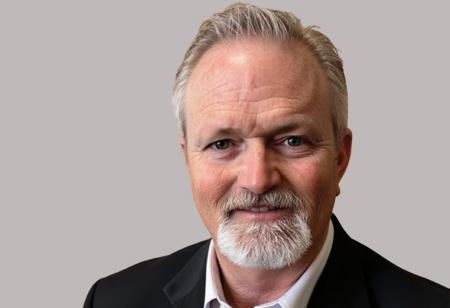
The process to approach the act of balancing zoning rules, community needs, and environmental factors in my roles includes being a student of the process involved with each project that I encounter. Meeting with municipalities, understanding markets, constantly staying up to date on changes and trends in our industry and in the work that we do, allows me to stay dynamic in my role. Those connections, experiences, and learning from every project helps me to build a mental roladex that I use as a foundation for new and existing project opportunities. Land Development is a process that takes a strong foundation to do it effectively, but every project is different and requires a fresh perspective and open mind each time.

[QUOTE1_Replace]

Being involved and active in the Greater Atlanta Home Builders Association and the National Association of Home Builders keeps me on top of local and national changes, trends and conversations when it comes to my work and role. Not being afraid to take off the hard hat and step into meetings and places where the conversations around big decisions really happen, creates a overall picture of the industry that goes beyond the limits of the roles and responsibility of the job title.

Major trends that I feel will shape land use and development in the coming years includes the use of AI to make processes and permitting with municipalities and other government agencies more efficient, an increase of transit oriented developments (TODs) and mixed-use developments, a prioritization of changes to zoning to allow for different housing types and characteristics to boost affordability, changes to development related fee structures and requirements to help with affordability, and the addition of more sustainable/green infrastructure options in the design stages of planning and development of residential and commercial projects. Many of these trends have already started, but as space becomes limited, desires of the consumers and consumer profiles change, growth of tax allocation districts and the creation of more tax credits becomes reality, changes to Unified Development Codes (UDCs) and Comprehensive Plans, and time and money becoming and remaining more of a priority to builders and developers to be able to help with affordability, these trends will begin to magnify in the coming years.

Sustainability and long-term community impact when planning new developments is definitely coming, and very quickly as more municipalities lean into green infrastructure as a way to protect downstream impacts, carbon footprints and its citizens. More analysis is being done on the design side by engineers to come up with effective ways to handle collection, runoff, environmental impact and more sustainable passive and active community spaces. As more partnerships are created with leaders in conservation and the space evolves, so will our industry. Believe it or not, even though Construction ranks fairly low amongst other industries when it comes to innovation due to several factors that point to affordability, our industry reacts quickly when new things are introduced. In a business where developing and building quality housing is important, sought after, and expected, sustainability is a factor that is being introduced more to the planning and development stages than before.

Strategies that help with collaborating effectively with city officials, engineers, and other stakeholders start with the ability to be approachable. Our industry is relationship driven and those relationships go a very long way when it comes to design, approvals and branding. Being present and active in the planning process saves time, rework, and headaches that come with the steps of trying to get a project from concept to reality. Sending emails and calling helps but going to visit and being forward facing helps build a stronger relationship that carries the relationship going forward. I’ve learned that when engineers, city officials and stakeholders know you as someone who will be approachable, will effectively communicate, will be solution-oriented and a problem solver and will approach this business with integrity, you will go a long way with projects, inspectors and being considered for opportunities. Each one of us has a job to do, and we all do our jobs better and more efficiently when we become partners in the process of providing our industry with a better product for the present and future.

Key skills that emerging professionals should develop to have success in land planning and development today are emotional intelligence, the art and importance of networking and relationships, and focusing on professional development in the form of books and continuing education. As development adapts to the market and other factors, these skills will provide a strong foundation that anyone can use to build on their skills in this role. Not being blind to the past is also important, as there are people that have tons of great experience in this industry and their stories help us to actually see how things have changed to this point and shape the future. Join professional organizations that allow you to meet other developers and decision makers, go to conferences, join boards, and share your experiences. Even though ways of doing things are different based on location, there are things that we all can learn and apply to what we do.

Read more

Construction Design and Development Service FAQ

Q1
What Do Top Construction Design and Development Services Companies Do?
Top Construction Design and Development Services companies manage projects from concept through construction by integrating planning, engineering, design, and project execution into a unified process. These firms coordinate architects, engineers, fabricators, and construction teams to ensure projects move efficiently from feasibility to completion. American Incorporated provides integrated construction, engineering, fabrication, and development capabilities across industrial and commercial sectors. By centralizing responsibilities under one structure, Top Construction Design and Development Services improve accountability, reduce communication gaps, and streamline project delivery.
Q2
What Services Are Included in Construction Design and Development Services?
Construction design and development services typically include site planning, architectural design, engineering, pre-construction analysis, fabrication, project management, and construction execution. Many construction design and development providers also support permitting, budgeting, sustainability planning, and facility upgrades. Top Construction Design and Development Services often follow a design-build model where design and construction teams collaborate throughout the project lifecycle. This integrated workflow improves scheduling, reduces design conflicts, and allows faster decision-making during construction phases.
Q3
Why Are Construction Design and Development Services Important for Complex Projects?
Large-scale projects require coordination across multiple disciplines, contractors, and regulatory requirements. Top Construction Design and Development Services simplify this complexity by aligning engineering, design, and construction objectives from the beginning of the project. Integrated delivery methods reduce delays caused by fragmented communication and disconnected project teams. Industry guidance shows that design-build and integrated construction approaches improve collaboration, accelerate timelines, and reduce cost overruns compared to traditional delivery models.
Q4
How Do Top Construction Design and Development Services Improve Efficiency and Cost Control?
Top Construction Design and Development Services improve efficiency by combining planning, engineering, and construction oversight within a single coordinated framework. Early-stage collaboration allows teams to identify constructability issues, optimize materials, and manage budgets before fieldwork begins. Companies using integrated construction approaches can reduce redesign costs, improve scheduling accuracy, and accelerate project completion through coordinated workflows. Pre-construction analysis and value engineering also help control expenses while maintaining quality and performance standards.
Q5
How Are Top Construction Design and Development Services Companies Selected?
Top Construction Design and Development Services companies are evaluated based on technical expertise, project portfolio, integrated capabilities, and ability to deliver projects on time and within budget. Companies with in-house engineering, fabrication, and project management capabilities often stand out because they can maintain stronger quality control across all phases. Experience across industrial, infrastructure, and commercial sectors is also an important factor. Firms that demonstrate strong coordination, innovation, and long-term client relationships are typically recognized as leaders in this category.
Q6
Which Industries Benefit Most From Construction Design and Development Services?
Top Construction Design and Development Services are widely used in manufacturing, food processing, energy, healthcare, commercial real estate, and infrastructure development. Industrial facilities especially benefit from integrated project delivery because these environments require close coordination between engineering systems and construction execution. Developers, facility owners, and public agencies rely on these services to improve project predictability, reduce operational disruptions, and ensure long-term building performance. Across industries, integrated design and development services help organizations complete projects more efficiently while maintaining quality and compliance standards.
Copyright © 2026 Construction Business Review All rights reserved. |  Subscribe |  Newsletter |  Sitemap |  About us|  Editorial Policy|  Feedback Policy|  Methodologyfollow on linkedin
This content is copyright protected

However, if you would like to share the information in this article, you may use the link below:

https://www.constructionbusinessreviewapac.com/a/construction-design-and-development-service

We use cookies on this website to enhance your user experience. By clicking any link on this page you are giving your consent for us to set cookies. More info

I agree