
CLOSE
  • Specialty Construction Europe
  • Roofing and Siding Systems
  • Doors and windows
  • HVAC
  • Steel Building APAC
  • Kitchen and Bath Europe
  • Construction Interiors
  • Construction Demolition and Recycling Europe
  • Construction MENA
  • Architectural Glass
  • Modular and Prefab Construction
  • Construction Engineering Services
  • Safety and Compliance Europe
  • Wall Systems
  • Waterproofing APAC
  • Flooring System
  • Forensic and Owners Representative
  • Startups APAC
  • Architectural Glass APAC
  • Roofing and Siding Systems Europe
  • Mechanical Electrical and Plumbing
  • Construction Bidding and Auctions
  • Architecture and Design Services
  • Concretes, Aggregates and Materials
  • Safety and Compliance APAC
  • Construction Demolition and Recycling APAC
  • Steel Building Europe
  • Construction Consulting
  • Roofing Systems APAC
  • Workforce Management and Staffing
  • Construction Latam
  • Construction Marketing
  • Modular Construction APAC
  • Modular Construction Canada
  • Construction Engineering MENA
  • Swimming Pool Construction
  • Construction Engineering Canada
  • Specialty Construction
  • Commercial Contractors
  • Scaffolding Contractors
  • Building Restoration and Maintenance
  • Doors and Windows Canada
  • Sustainable Construction APAC
  • Construction Law
  • Architectural Glass Canada
  • Building Information Modeling APAC
  • Construction Staffing
  • Insulation, Coating and Waterproofing
  • Cold Storage Construction Canada
  • Construction Management Canada
  • Swimming Pool Construction Canada
  • Scaffolding Canada
  • Flooring System APAC
  • Pre-Construction Services
  • Construction Staffing Europe
  • Precast Concrete Europe
  • Cold Storage Construction APAC
  • Apartment and Condominium Contractors Canada
  • MEP Canada
  • Foundation Construction Canada
  • Outdoor Construction
  • Construction Law APAC
  • Construction Saudi Arabia
  • MEP APAC
  • Decking Canada
  • Kitchen and Bath
  • Building Sealing Solutions Europe
  • Swimming Pool Construction APAC
  • Mould Remediation and Testing Europe
  • Mechanical Contractor Canada
  • Construction Consulting Europe
  • Construction Coating Europe
  • Landscaping Canada
  • Construction Management
  • Construction Management APAC
  • Flooring Systems Europe
  • Dummy
  • Commercial Contractors APAC
  • Commercial Contractors Europe
  • Concretes, Aggregates and Materials Europe
  • Concretes, Aggregates and Construction Materials APAC
  • Construction Cladding APAC
  • Concrete Canada
  • Residential Construction
  • Building Restoration and Maintenance Canada
  • Pre-Construction Services Europe
  • Outdoor Construction Europe
  • Construction Interiors Europe
  • Modular and Prefab Construction Europe
  • Buinding Restoration and Maintenance Europe
  • Construction Forensic and Owners Representative Europe
  • Professional Services
  • Structures
  • Systems
  • Roofing and Siding Systems Canada
  • Professional Services Canada
  • Structures Canada
  • Systems Canada
  • Professional Services Europe
  • Structures Europe
  • Systems Europe
Skip to: Curated Story Group 1
Construction Business Review
US
EUROPE
APAC
CANADA
MENA
LATAM
AUSTRALIA
About Us Conference Partner With Us
  • APAC
    • US
    • EUROPE
    • CANADA
    • AUSTRALIA
  • Sections
    Architectural Glass
    Building Information Modeling
    Cold Storage Construction
    Commercial Contractors
    Concretes, Aggregates and Construction Materials
    Construction Cladding
    Construction Demolition and Recycling
    Construction Law
    Construction Management
    Flooring System
    MEP
    Modular Construction
    Roofing Systems
    Safety and Compliance
    Startups
    Steel Building
    Sustainable Construction
    Swimming Pool Construction
    Waterproofing
  • Leadership Perspectives
  • Insights
  • News

Thank you for Subscribing to Construction Business Review Weekly Brief

  • Home
  • Leadership Perspectives

onstruction Business Review

James Ferrer

Constructing A Port: Factors That Influence Its Feasibility
James Ferrer

James Ferrer

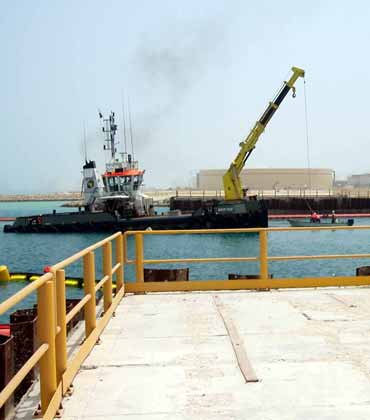
To confirm that the harbor is sheltered, it may be essential to build numerous breakwaters, and some harbors are built out into the sea. 


Before constructing a harbor, some factors will be important to study while research is being conducted.


They are:


The major objective of the harbor: It's essential to know the main objective of the harbor and the type and size of vessel that will utilize the harbor. Once its objective and the type of ships foreseen to call have been established, the type of facilities within the harbor can be developed.


• The sustainability of the anticipated cargo volumes: Since the construction of a harbor incorporates such a large expense, a steady cargo flow must be ensured for a long period. If only a small amount of cargo will move via the harbor, it might not be practical to go to the cost of building it.


• A sheltered site for the harbor: As ships must work cargo in calm conditions, harbors must be constructed to provide as much shelter as feasible from the swell. Although it is hard to shelter ships from wind, the alignment of berths might be essential to lower the impact of the prevailing wind on ships bedded in the harbor and cargo processes.


To confirm that the harbor is sheltered, it may be essential to build numerous breakwaters, and some harbors are built out into the sea. They are called Artificial harbors.


Some harbors are constructed in a sheltered bay, lagoon, or river mouth, and while brief breakwaters might be essential, the cargo wharves are built within the sheltered water area. These are called Natural harbors.


• Size of the area to be made for the harbor: This counts on the type and volume of cargo to be managed and the ship expected to call at the harbor. Mineral cargoes generally require large areas to keep the mineral before loading (this area is named the mineral stockpile); container terminals are also commonly large, although those harbors driving a smaller volume of containers will be smaller. If large ships are anticipated to call, there must be adequate water area to turn these large ships. There should also be space for future development, and the initial harbor plans often include many possible expansion phases for the harbor.


• Depth of water: This also counts on the size of the ship anticipated to call. Deep-draughted ships need a proper water depth, but the water depth may not be as significant if just small fishing vessels call.


• Flat land: Large areas of flat land surrounding the harbor are required to store cargo and for rail or road networks.


• Services (water, electricity): Large amounts of electricity are required for cargo management equipment. All offices need electricity for their electronic systems. Fresh water is also important as ships usually need tons of fresh water.


• Labor: A harbor needs workers of all levels of skills – from more qualified engineers to supervise complicated cargo loading machinery, building and harbor maintenance, and electronics systems to lesser skilled people. More qualified and experienced seafarers are also necessary as harbor masters, pilots, tug engineers, and other roles that deal straightly with the ships.


• Transport access: To shift cargo to and from the harbor, adequate road and rail links are important. Railway yards where trains are mobilized to carry the cargo to its destination are also required, either at or close to the harbor. Many people utilize the harbor and also need transport facilities close by.


• Finance: To build, operating, and manage a harbor costs a greater amount of money. In some countries, the state operates all harbors; thus, the state will fund or subsidize harbor construction. Due to the high costs of harbor construction, cautious planning is required to confirm that the construction project will be financially valuable, i.e., that the earnings from the harbor will pay back its construction expenses within a suitable time and that earnings will cover operating expenses.


• Ancillary Services: A harbor requires several ancillary services, comprising pilotage, tug services, bunkering services, chandling services, waste disposal services, ship restoration, engineering services, and others. The scale of these services counts on the size of operations in the harbor. A small fishing harbor will need all these services (except pilotage and tug services) but on a smaller scale than a harbor, where a broad range of services expands to operations like major ship repair and bunkering facilities.


The articles from these contributors are based on their personal expertise and viewpoints, and do not necessarily reflect the opinions of their employers or affiliated organizations.
EDITOR'S CHOICE
  • Willis Towers Watson

    Cushman & Wakefield [NYSE: CWK]

    Projects Today Come Down to Nerves of Steel and Realistic Expectations

    Jason D’Orlando, Senior Managing Director, and Michael Morehead, Senior Director, Project and Development Services - Industrial

  • Willis Towers Watson

    Walmart [NYSE: WMT]

    Navgating the Challenges and Innovations in Mega Construction Projects: Building Competent Leadership and Embracing Technological Trends

    Seth Roy, Senior Director - Design & Construction, Walmart [NYSE: WMT]

  • Willis Towers Watson

    Meritage Homes [NYSE: MTH]

    Act Now to Address Aging Workforce

    Poli Peters, VP of Operations

  • Willis Towers Watson

    Advanced Drainage Systems [NYSE: WMS]

    Walking the sustainability walk: The case for EPR

    Brian King, EVP Marketing, Product Management and Sustainability, Advanced Drainage Systems, Inc. [NYSE: WMS]

Construction Business Review APAC
Follow on LinkedIn

About

  • Home
  • About Us

Stay Connected

  • Subscribe
  • Newsletter
  • Sitemap

Contact Us

  • editor@constructionbusinessreview.com
  • sales@constructionbusinessreview.com
  • marketing@constructionbusinessreview.com

Legal

  • Editorial Policy
  • Privacy Policy
  • Terms of Use

© 2026 Construction Business Review APAC. All rights reserved. Headquartered in Fort Lauderdale, FL, USA.

This content is copyright protected

However, if you would like to share the information in this article, you may use the link below:

https://www.constructionbusinessreviewapac.com/leadership-perspective/constructing-a-port-factors-that-influence-its-feasibility-nwid-986.html

We use cookies on this website to enhance your user experience. By clicking any link on this page you are giving your consent for us to set cookies. More info

I agree