





CLOSE
  • MEP APAC
  • Flooring Systems Europe
  • Construction Management APAC
  • Construction Management
  • Landscaping Canada
  • Construction Coating Europe
  • Construction Consulting Europe
  • Mechanical Contractor Canada
  • Mould Remediation and Testing Europe
  • Swimming Pool Construction APAC
  • Building Sealing Solutions Europe
  • Kitchen and Bath
  • Decking Canada
  • Dummy
  • Construction Saudi Arabia
  • Construction Law APAC
  • Outdoor Construction
  • Foundation Construction Canada
  • MEP Canada
  • Apartment and Condominium Contractors Canada
  • Cold Storage Construction APAC
  • Precast Concrete Europe
  • Construction Staffing Europe
  • Pre-Construction Services
  • Flooring System APAC
  • Modular and Prefab Construction Europe
  • Systems Europe
  • Structures Europe
  • Professional Services Europe
  • Systems Canada
  • Structures Canada
  • Professional Services Canada
  • Roofing and Siding Systems Canada
  • Systems
  • Structures
  • Professional Services
  • Construction Forensic and Owners Representative Europe
  • Buinding Restoration and Maintenance Europe
  • Scaffolding Canada
  • Construction Interiors Europe
  • Outdoor Construction Europe
  • Pre-Construction Services Europe
  • Building Restoration and Maintenance Canada
  • Residential Construction
  • Concrete Canada
  • Construction Cladding APAC
  • Concretes, Aggregates and Construction Materials APAC
  • Concretes, Aggregates and Materials Europe
  • Commercial Contractors Europe
  • Commercial Contractors APAC
  • Safety and Compliance Europe
  • Safety and Compliance APAC
  • Concretes, Aggregates and Materials
  • Architecture and Design Services
  • Construction Bidding and Auctions
  • Mechanical Electrical and Plumbing
  • Roofing and Siding Systems Europe
  • Architectural Glass APAC
  • Startups APAC
  • Forensic and Owners Representative
  • Flooring System
  • Waterproofing APAC
  • Wall Systems
  • Construction Demolition and Recycling APAC
  • Construction Engineering Services
  • Modular and Prefab Construction
  • Architectural Glass
  • Construction MENA
  • Construction Demolition and Recycling Europe
  • Construction Interiors
  • Kitchen and Bath Europe
  • Steel Building APAC
  • HVAC
  • Doors and windows
  • Roofing and Siding Systems
  • Commercial Contractors
  • Swimming Pool Construction Canada
  • Construction Management Canada
  • Cold Storage Construction Canada
  • Insulation, Coating and Waterproofing
  • Building Information Modeling APAC
  • Architectural Glass Canada
  • Construction Law
  • Sustainable Construction APAC
  • Doors and Windows Canada
  • Building Restoration and Maintenance
  • Scaffolding Contractors
  • Specialty Construction Europe
  • Specialty Construction
  • Construction Engineering Canada
  • Construction Engineering MENA
  • Modular Construction Canada
  • Modular Construction APAC
  • Construction Marketing
  • Construction Latam
  • Workforce Management and Staffing
  • Roofing Systems APAC
  • Construction Consulting
  • Steel Building Europe
Skip to: Curated Story Group 1
Construction Business Review
US
EUROPE
APAC
CANADA
MENA
LATAM
AUSTRALIA
About Us Conference Advertise With Us
  • APAC
    • US
    • EUROPE
    • CANADA
    • AUSTRALIA
  • Sections
    Architectural Glass
    Building Information Modeling
    Cold Storage Construction
    Commercial Contractors
    Concretes, Aggregates and Construction Materials
    Construction Cladding
    Construction Demolition and Recycling
    Construction Law
    Construction Management
    Flooring System
    MEP
    Modular Construction
    Roofing Systems
    Safety and Compliance
    Startups
    Steel Building
    Sustainable Construction
    Swimming Pool Construction
    Waterproofing
  • Leadership Perspectives
  • Insights
  • News

Thank you for Subscribing to Construction Business Review Weekly Brief

Roofing and Siding Systems

Top Solutions
Walter Brown Services: A Single Point of Accountability
Walter Brown Services
Walter Brown Services: A Single Point of Accountability
Matt Cisna, Owner and CEO
For many homeowners, the biggest challenge is not finding a roofing contractor. It is determining which recommendations genuinely reflect the needs of their property and which are driven by sales objectives. Competing assessments, material recommendations and pricing structures can make even straightforward roofing decisions difficult to navigate.

Walter Brown Services has built its reputation by helping homeowners navigate that complexity through honest guidance and a comprehensive approach to exterior renovation. Its ability to manage the full exterior envelope allows homeowners to coordinate interconnected projects through a single point of accountability. Roofing, siding, windows, soffit, aluminum trim and related carpentry work are brought together under one roof, helping ensure exterior issues are addressed in the context of the entire building envelope.

“We show up, diagnose the problem, provide an honest estimate, and then it's up to the customer to decide who they want to use from there,” says Matt Cisna, owner and CEO.

Long before he owned Walter Brown Services, Cisna spent his summers working for the company. Starting at age 14, he worked for founder Walter Brown, a longtime family friend, and learned the business from the ground up through high school and college. When he took ownership of Walter Brown Services in 2009, he inherited more than an established company. He assumed responsibility for a reputation that had been earned over generations.

Operating within the same communities it serves, Walter Brown Services views its customers as more than projects on a schedule. They are neighbors, fellow business owners and families with whom lasting relationships are built, a perspective that has shaped the business for decades and underscores a commitment to doing right by both homeowners and the broader community.
Read more
Cabrio Structures: Engineering Retractable Roof Systems for Long-Term Performance
Cabrio Structures
Cabrio Structures: Engineering Retractable Roof Systems for Long-Term Performance
Kent H. Forsland, Owner and Founder
Unpredictable weather has long limited how outdoor spaces perform, turning patios, event venues, and recreational facilities into inconsistent, seasonal assets. Retractable roof systems offer a solution, but they are difficult to design and execute correctly, leading to operational failures.

Cabrio Structures combines proven design expertise with advanced structural engineering to create retractable roof systems engineered for reliable, year-round performance across diverse climates and demanding outdoor environments.

Each system is configured around how the space is intended to operate. Cabrio draws on its experience across retractable structures, enclosures and large-span systems to identify configurations proven to perform reliably over time.

The combination of design clarity and execution expertise allows operators to move beyond weather-dependent usage. Restaurants can maintain year-round operations, support advance bookings with confidence and convert variability into a predictable revenue stream.

“Unpredictable weather is a reality everywhere. We turn that unpredictability into an operational advantage our customers can control and benefit from,” says Kent H. Forsland, owner and founder.
Engineering for Long-Term Reliability

Cabrio’s work is shaped by two persistent challenges in retractable roofing systems—environmental variability and long-term structural reliability. Wind loads, thermal movement, and moisture intrusion can compromise panel alignment and performance over time, while moving assemblies and structural connections are subject to wear, fatigue, and failure. As a result, many retractable systems are eventually fixed in place because they can no longer maintain reliable operation.

Unpredictable weather is a reality everywhere. We turn that unpredictability into an operational advantage our customers can control and benefit from.

Cabrio addresses these issues through a consistent engineering approach across all product lines. Each structure is designed to withstand real environmental loads, including snow accumulation and wind pressure, without requiring customers to manually manage structural stress or snow removal.

“We spend a lot of time understanding what will actually work not just on day one, but years down the line,” says Forsland. “The goal is not to experiment on a job site. It is to deliver solutions that perform exactly as expected over time.”
Read more
TAMKO Building Products: Raising the Bar in Roofing
TAMKO Building Products
TAMKO Building Products: Raising the Bar in Roofing
Chris Freeborg, Vice President and Chief Marketing, Communications & Product Development Officer
Roofing manufacturers today face a tougher environment than ever: harsher weather patterns, tighter regulations, and customers who expect both durability and design flexibility. TAMKO Building Products has remained competitive by evolving alongside those demands rather than merely reacting to them.

More than a manufacturer of shingles, TAMKO Building Products has built its reputation on understanding the people who use its products, including the contractors who install them, the homeowners who rely on them, and the distributors who make them available. At every step, the company focuses on making life easier for its customers, ensuring its innovations address real-world needs.

Chris Freeborg, Vice President and Chief Marketing, Communications, and Product Development Officer, describes the company’s philosophy: “Our focus is simple, if we can make our customers, contractors, and homeowners better, then at the end of the day, providing value for them ends up providing value for us on the back end. The more customer-centric we can be, the better.” This mindset guides every decision at TAMKO, from research and development to training programs, and defines the company’s approach to the roofing industry.

TAMKO serves a wide range of customers, but contractors remain at the core of its business. These professionals span the re-roof and remodel market as well as new construction representing the day-to-day reality of the roofing industry. Homeowners, while one step removed, are equally critical to TAMKO’s thinking because the end-user experience drives repeat business, referrals, and brand trust.

Whenever we give a contractor a shingle, the first three things they tend to do are rub the granules, feel the sealant, and try to pull at the common bond. If the product performs in these three areas, then we’ve passed the initial entry points for quality.


The company also works closely with distributors, both large and small, who provide the channels through which TAMKO® products reach customers nationwide. Together, these three groups form the ecosystem in which TAMKO operates, ensuring every innovation and service improves value across the board.

Setting a New Standard in Performance

One of the company’s defining moments came in 2021 with the launch of Titan XT® shingles. The product marked a shift in how TAMKO approached design and performance. Featuring a 160-mile-per-hour wind warranty* and proprietary AnchorLock™ technology, Titan XT® shingles addressed the needs of both contractors and homeowners.

Since then, the company has introduced StormFighter FLEX® shingles and, most recently, the HailGuard™ asphalt shingle system backed by a hail warranty, making it the first in the industry to offer this level of protection. These products are designed not only for durability, but also for measurable performance under real-world conditions.

At the heart of TAMKO’s success is TriShield™ technology. This combination of advanced asphalt, fusion sealants, and superior lamination helps shingles resist granule loss, maintain strong adhesion, and withstand extreme weather conditions.

Freeborg explains, “Whenever we give a contractor a shingle, the first three things they tend to do are rub the granules, feel the sealant, and try to pull at the common bond. If the product performs in these three areas, then we’ve passed the initial entry points for quality.”

Each element of TriShield™ technology is the result of years of rigorous research, including external expertise and academic collaboration, ensuring shingles remain resilient against UV damage, moisture, and temperature fluctuations, from northern Minnesota to southern Texas.

The company’s commitment to real-world validation further distinguishes it. TAMKO actively collects contractor feedback, particularly after severe storms, to ensure its products perform as promised. During Hurricane Milton in Florida,† local teams inspected dozens of homes roofed with Titan XT® shingles.

While neighboring roofs suffered significant damage, these installations remained intact—a result that not only protected homeowners but also enhanced contractor credibility. Positive outcomes like these translate into new business opportunities for contractors, as word-of-mouth referrals demonstrate the value of using TAMKO® products in challenging conditions.

Driving Contractor Success and Industry-Leading Shingle Innovation

Beyond product performance, TAMKO invests heavily in contractor development. The TAMKO Edge® program is designed to help contractors grow their businesses‡ by offering training, process improvements, and one-on-one consulting. Whether a company is expanding from $1 million to $2 million in revenue or pursuing incremental growth beyond $10 million, the program provides tools to improve efficiency, training, and profitability.

For example, a TAMKO® Pro Certified Contractor in the Dallas area, leveraged TAMKO’s guidance to double its sales team and increase gross profit by more than two percent year over year. Such results illustrate that TAMKO’s commitment extends beyond shingles—it also includes building the capabilities of the people who install them.
Read more
Sierra Group: Operational Excellence Built into Every Roof
Sierra Group
Sierra Group: Operational Excellence Built into Every Roof
Victoria Sierra, Vice President, Marcos U. Sierra, General Manager
How does Sierra Group structure its operations to ensure consistent roofing outcomes?

Sierra Group operates with a clear operational philosophy: consistent roofing outcomes depend on structured internal systems, disciplined processes, and direct control over execution. Under the leadership of General Manager Marcos U. Sierra, the company has built its roofing services around operational visibility, trained internal teams, and vertically integrated production capabilities.

Rather than relying on loosely coordinated subcontractors or fragmented project workflows, Sierra Group emphasizes internal control across every stage of roofing delivery. The company’s model combines full-time installation crews, in-house fabrication, digital project management systems, and dedicated emergency response logistics.

This structure allows Sierra Group to maintain consistent installation standards across both residential and commercial projects while improving scheduling reliability, material control, and long-term service support.

By aligning workforce structure, operational systems, and fabrication capabilities, Sierra Group has built a roofing operation designed to produce repeatable results across a wide range of roofing environments.

Building a Workforce of Craft and Accountability

Why does Sierra Group rely on full-time crews instead of subcontracted labor?

A defining feature of Sierra Group’s operating model is its commitment to full-time internal crews rather than subcontracted labor.

“All of our internal crews are trained and retrained in application, installation methods, and safety,” Sierra explains.

In much of the roofing industry, labor is often subcontracted through short-term crews or independent contractors. Sierra Group chose a different approach. The company employs its installation teams directly, providing benefits, training programs, and long-term employment opportunities.

This structure allows Sierra Group to maintain consistent installation standards across every project. Internal crews receive ongoing retraining on installation techniques, safety practices, and product specifications.

Because crews work within the same operational framework and reporting structure, quality control remains consistent across job sites. The workforce model also allows the company to maintain direct communication between project managers, estimators, and installation teams.

Partnerships with industry leaders further reinforce these standards. Commercial installers receive annual retraining from national trainers at GAF Roofing, ensuring crews remain current on installation techniques and equipment practices.

We realized it created an entire culture of extreme accountability and Extreme Ownership. “That’s the secret sauce that’s given us the ability to scale, recruit the right individuals, put them in the right seats, give them the right training, establish the right processes, define the right metrics, and then let them run.

Residential installers are certified in ventilation design and impact-resistant shingle installation, allowing Sierra Group to install high-performance roofing systems supported by advanced manufacturer warranties.

Through this workforce structure, Sierra Group maintains direct accountability across every stage of project execution.

Vertical Integration for Precision and Efficiency

How does on-site fabrication improve efficiency and precision in roofing installations?

Sierra Group extends operational control beyond labor by fabricating metal roofing panels on-site. Using mobile roll-forming equipment manufactured by New Tech Machinery, crews can convert raw coil metal into finished roofing panels directly at the job location.

This capability allows Sierra Group to produce panels that match the exact dimensions required for each roof.

Traditional metal roofing installations often depend on panels fabricated off-site and delivered in large packages. On-site fabrication eliminates delays associated with external manufacturing and reduces the risk of incorrect panel sizes or damaged materials. Panels can be produced in real time as installation progresses, allowing crews to adjust fabrication to the exact requirements of the structure.

The system also reduces material waste because panels are manufactured only in the quantities required for the project. For commercial metal roofing installations, this fabrication capability improves installation speed and simplifies panel layout planning.

By controlling the fabrication process directly, Sierra Group can maintain precise coordination between fabrication, installation sequencing, and project timelines.
Technology Driving Operational Visibility

How does digital infrastructure support project visibility, planning accuracy, and coordination across teams?

Sierra Group relies on a structured digital infrastructure to maintain operational visibility across projects. Customer relationship management systems track project data, financial metrics, and workflow performance throughout the organization. These systems allow leadership to monitor job progress, review margins, and evaluate operational performance across multiple projects simultaneously.
Read more
Spettmann: Redefining the Outdoor Shade Industry through Intelligent Design
Spettmann
Spettmann: Redefining the Outdoor Shade Industry through Intelligent Design
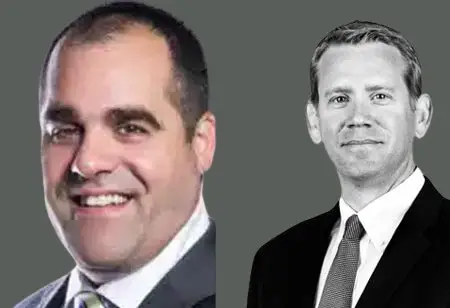
David Cowie, Wilson Weng, Marco Bresciani
The outdoor shade industry is evolving with smarter systems, greater automation and integrated control solutions, and Spettmann USA is leading the way in driving this innovation.

As a manufacturer specializing in premium retractable awnings and outdoor shade solutions that enhance comfort and transform lifestyles, the company is redefining living experiences through a blend of proven expertise and intelligent design.

Spettmann – a leading brand of the world’s largest outdoor shade manufacturer, Activa Leisure – whose global portfolio includes market umbrellas sold through major retailers such as Costco, Sam’s Club, Lowe’s, and Target; pop-up tents and gazebos; patio umbrellas and casual outdoor furniture distributed through 1,600 dealers; and high-end awnings sold through an authorized dealer network.

Smart Shade Pro, the company’s unified system, exemplifies its commitment to innovation. It was developed through close collaboration with dealers and installers who faced recurring challenges like complex setups, limited customization and a lack of integration. Designed to simplify installation and operation, Smart Shade Pro unifies hardware, automation and control into a single, user-friendly ecosystem. The system adjusts automatically to sunlight, temperature weather conditions and user preferences, offering seamless comfort for homeowners and effortless configuration for dealers.

“We realized that understanding the needs of the people who work with these products every day is just as important as designing for the end user,” says David Cowie, President at t2Fi Melbourne Australia and founder with Marco Bresciani who are the integrators and developers of the Smart Shade System.

Smart Shade Pro empowers dealers with connected tools to manage and monitor their installations effectively by bridging the gap between technology and usability. Its backend system allows dealers to track device health, receive alerts and perform remote diagnostics, ensuring faster service, fewer site visits and stronger customer relationships. This approach enhances convenience, efficiency and long-term reliability for homeowners while reinforcing trust and collaboration between Spettmann and its dealer network.

Smart Shade Pro represents a shift in how outdoor living spaces can function. It unifies shades, screens and connected systems into one cohesive experience, transforming traditional shade automation into a foundation for intelligent outdoor design.

Human-Centered Intelligence in Every Shade Design

At its core, Smart Shade Pro focuses on improving everyday living through intuitive shade automation. The company’s design philosophy centers on adaptability, offering technology that anticipates needs.

We believe technology should feel natural. When our shades move, it should not remind you that a machine is working. It should remind you how effortlessly life can flow when everything around you responds with purpose.

The system uses AI to interpret user preferences and environmental factors to create a personalized balance of light, temperature and privacy. Rather than following a simple timer, the shades adapt dynamically to people’s lives, responding to daily routines and changing conditions. Whether adjusting automatically during a sunny afternoon or syncing with voice assistants, every interaction feels seamless, intuitive and designed to enhance comfort without requiring manual intervention.

Smart Shade Pro’s intelligence is embedded directly in the shade design , requiring no external hub. It connects seamlessly with Alexa and Google Home, and its weather-linked automation uses the Google Weather API to respond to real-time conditions.

Additionally, the built-in Sun Tracker feature in the app adjusts shade angles throughout the day based on the solar path to help manage indoor temperatures in the home, therefore reducing energy consumption for the consumer while innovative safety features automatically retract shades during high winds or storms. Over time, the system adapts dynamically to environmental conditions and user settings, aligning with sustainability goals in modern architecture.

“We believe technology should feel natural. When our shades move, it should not remind you that a machine is working. It should remind you how effortlessly life can flow when everything around you responds with purpose,” emphasizes Oliver Ma President of Spettmann USA.

The company’s engineering teams ensures that this intelligence never compromises reliability. Each product undergoes rigorous testing across multiple countries to withstand varying climates and conditions, ensuring long-lasting performance. As outdoor spaces become integral parts of homes and hospitality environments, Spettmann is helping designers and architects redefine how technology blends with open-air aesthetics.
Read more
Southwest Commercial Roofing: Roofing Expertise Anchored in Trust and Partnership
Southwest Commercial Roofing
Southwest Commercial Roofing: Roofing Expertise Anchored in Trust and Partnership
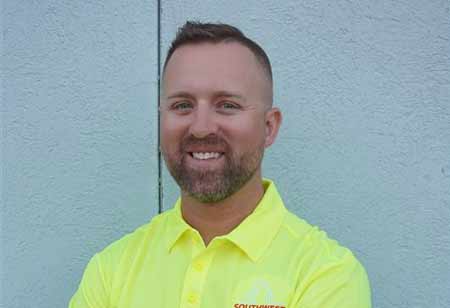
Darin Hochstetler, General Manager
When roofing partners go the extra mile, they create more than just roofs. Clients are left with a memorable experience that fosters trust and lasting relationships. Southwest Commercial Roofing lives by this principle, proving that when integrity and craftsmanship go hand in hand, the result is enduring success.

Southwest specializes in durable commercial roofing solutions, offering expert services in metal, flat and low-slope roof installations, repairs and replacements. From initial inspections to project completion, the priority is customer service. It goes above and beyond to add value to its customers and deliver roofs that stand the test of time.

“Our intention is not to satisfy or please our customers,” says Darin Hochstetler, General Manager. “Our intention is to amaze them.”

Beyond craftsmanship, Southwest prioritizes open communication and ethical decision-making, even when it means recommending a better, sometimes more expensive solution. This approach reflects its focus on long-term quality over quick fixes. Its deep-rooted commitment to do what’s in the customer’s best interests fosters a level of confidence that extends far beyond the terms of a contract, transforming each project into a true partnership.
Read more
Quality Metals: Two Decades on the Front Lines of Roofing Innovation
Quality Metals
Quality Metals: Two Decades on the Front Lines of Roofing Innovation
Mauricio Albo, Owner
Mauricio Albo’s path into the American metal industry began with bold ambition and a deep sense of purpose. Over 35 years ago, he was handpicked by a major Mexican steel firm to spearhead its U.S. expansion. Though the initiative was short-lived, the experience left Albo with something greater than a job: a conviction. Where others saw an exit, he saw opportunity. Rather than return home, Albo stayed behind—believing he could build something better from the ground up.

That belief laid the foundation for Quality Metals, launched in 2004 with little more than grit, resilience, and a commitment to doing things differently. Albo’s vision was clear: deliver unmatched quality, form lasting relationships, and solve problems the rest of the industry sidestepped.

“What we’ve built at Quality Metals goes far beyond steel. It’s about setting a standard to solve problems others avoid and standing by our customers. This anniversary isn’t just a milestone—it’s a reflection of the pride we take in our craft, the trust we’ve earned, and our ongoing promise to lead with integrity,” says Albo.

Foundation and Evolution of Quality Metals

From its earliest days, Quality Metals has grown in lockstep with the evolving needs of the U.S. construction landscape. What began as a modest operation steadily advanced, guided by Albo’s adaptability and customer-first mindset. As regulations shifted and demand for performance increased, the company responded—expanding its capabilities, deepening its technical expertise, and strengthening its commitment to innovation. Today, with a footprint across Texas and operations in more than 11 states, Quality Metals has earned a reputation as a trusted, full-service partner in the metal building and roofing industry.

As we look to the future, one thing remains constant—our belief in people. The QM Family is the reason we’ve delivered 20 years of excellence in metal roofing and building solutions—and why the best is still ahead

Panels, Coils, Systems—Delivered with Precision

Read more
Absolute Construction: Turning Roofing Needs into Tailored Solutions
Absolute Construction
Absolute Construction: Turning Roofing Needs into Tailored Solutions
Matt Jones, Owner
A well-built roof is more than just a structure—it’s a shield that protects you from the elements and provides lasting security. It allows you to sleep soundly at night, knowing you’re safe. That’s why roofing isn’t just another home improvement; it’s an investment in your comfort and peace of mind.

But not all roofing companies offer the same quality. While some provide temporary fixes, Absolute Construction delivers lasting solutions. The company combines high-quality materials and expert craftsmanship to ensure exceptional roof installations, repairs, and maintenance.

“A roof is protection, security, and peace of mind. Our job is to build that with quality and care,” says Matt Jones, owner of Absolute Construction.

Every project is approached with a commitment to durability, precision, and customer satisfaction. At Absolute Construction, expertise and attention to detail matter just as much as the materials used. With safety at the forefront, every step is designed to protect both workers and clients, ensuring a secure environment throughout the process.

Innovation drives progress, introducing advanced techniques that enhance durability and efficiency so that roofs stand strong against time and the elements. At the heart of it all is customer satisfaction—the true measure of success. The company delivers not just a finished project but lasting peace of mind.

Expertise in Every Project

Multi-family properties need durable, weather-resistant roofs that also complement the aesthetics of the building. Absolute Construction tailors solutions to meet the distinct demands of each property with a deep understanding of multi-family and commercial roofing. From classic shingle styles to modern metal roofing, concrete tile to low slope membranes, every installation harmonizes with the architecture of the property while providing superior protection.

For businesses, Absolute Construction provides durable and reliable roofing systems designed to meet commercial needs. Whether it’s a large-scale flat roof or a complex, multi-layered design, the company applies its expertise in materials, installation, and maintenance strategies. The result? Long-lasting protection for assets, employees, and operations.
Read more
Turning Back the Clock on Shingles with Roof Maxx
Roof Maxx
Turning Back the Clock on Shingles with Roof Maxx
Mike Feazel, CEO
Asphalt shingles dominate the U.S. steep-slope roofing landscape, covering 80 percent of residential and multifamily properties. However, their biggest flaw is hidden in plain sight—like asphalt roads, these shingles dry out as the oil in the asphalt evaporates, making them brittle and prone to cracking. This gradual deterioration exposes roofs to leaks and damage, creating headaches for property owners.

The real challenge, however, comes next—replacement. For multifamily property managers, replacing brittle shingles across multiple units is a logistical and financial nightmare. Repairs pile up, tenants are inconvenienced, and budgets take a hit. This endless cycle of drying, cracking, and replacing asphalt shingles isn’t just a maintenance issue—it’s a costly drain on resources that demands a better solution.

Enter Roof Maxx, a transformative innovation redefining the roofing industry with its pioneering roof rejuvenation technology. Using a plant-based, eco-friendly formula, the company restores the flexibility and water repelling properties of existing shingles, effectively reversing the drying process without requiring replacement.

By infusing shingles with a bio-based oil formulation, Roof Maxx eliminates the need for premature replacement, saving property owners the staggering costs and labor-intensive process of tearing off and installing new roofs. With Roof Maxx, multifamily property managers can extend the life of their roofs, reduce maintenance expenses, and minimize disruptions—all while making an environmentally sustainable choice.

“Before roof rejuvenation, asphalt roofs faced inevitable aging with no way to extend their lifespan. We led the charge by introducing this revolutionary solution, transforming how roofs are maintained,” says Mike Feazel, Co-Founder of Roof Maxx.

A Game-Changer in Roofing

The story of Roof Maxx began with brothers Mike and Todd Feazel, who spent 25 years running one of the largest roofing companies in the U.S. During that time, they noticed a troubling trend—changes in oil refining processes had reduced the natural asphalt content available for shingles, compromising their durability.

Faced with this growing problem, the Feazels sold their roofing company in 2013 to focus on sustainability. Their search for innovative solutions led them to Battelle Laboratories, the world’s largest private research and development organization. Through cutting-edge advancements, Roof Maxx was born.

The company’s flagship product uses soy fusion technology to restore the flexibility and waterproofing properties of asphalt shingles. By soaking shingles in bio-oil derived from soybeans, Roof Maxx rejuvenates aging roofs and extends their lifespan by up to 15 years, with treatments every five years.
Read more
Rooforders: Elevating Accuracy in Roof and Solar Reports
Rooforders
Rooforders: Elevating Accuracy in Roof and Solar Reports
Roy Clausen, CEO
Since its founding in September 2012, Rooforders has been redefining precision standards in the roofing, insurance, and solar industries.

Built by a team that includes two vice presidents and top engineers from Precigeo—the company that pioneered aerial measurements in 2002—Rooforders has quickly established itself as an industry leader.

“With a relentless focus on accuracy, efficiency, and customer satisfaction, we have grown rapidly, offering unparalleled capacity to meet customer needs, including the ability to deliver reports overnight,” says Roy Clausen, CEO.

For businesses and individuals seeking reliable roofing reports, Rooforders is known for its ease of use and transparent pricing. The company provides premium-grade reports tailored to various building types, with residential single or multi-family reports priced at $25 and commercial reports at $50. High-volume prepaid accounts also benefit from special discounts, making Rooforders a cost-effective choice for contractors, insurers, and solar installers requiring consistent, high-quality roof data.

A Different Approach to Roof Measurement

The construction and insurance industries have long relied on aerial imagery to assess roofing structures, but Rooforders recognized early on that conventional methods had limitations.

Most companies use a standard approach that traces the roof from an overhead, two-dimensional view, then apply mathematical approximations to estimate pitch values. While this method can be reasonably accurate, it often overlooks the complexities of real-world roof geometry, leading to costly errors and inefficiencies. Rooforders took a different approach from the start.

“Rather than relying on approximations, we developed a meticulous and precise method to determine roof slopes to the exact degree,” says David Kohls, CFO.

Every order is processed through an advanced CAD system, where a detailed 3D model is created. Each roof facet is measured in degrees, ensuring the final model accurately reflects the real-world structure. This rigorous process ensures that no report passes Rooforders’ quality assurance checks unless it meets strict buildability standards. If a model cannot be constructed in reality, it does not get approved.

Once finalized, reports are converted into multiple formats that integrate seamlessly with industry-standard software. Commonly used formats include PDF, XML, and ESX for Xactimate, enabling construction professionals, roofers, and insurance adjusters to incorporate Rooforders’ data effortlessly into their workflows.

Precision Without the Price Tag

Despite investing significantly more effort than its competitors to ensure the highest accuracy, Rooforders maintains lower pricing than most industry players. This efficiency is primarily due to the company’s streamlined, cloud-based operations.

Unlike traditional firms that rely on expensive infrastructure, Rooforders operates in a near-frictionless digital environment, allowing seamless order processing from anywhere in the world. This operational efficiency translates into cost savings for customers.

Another key factor in the company’s competitive pricing is its financial independence. Rooforders is entirely self-funded, with no external debt to service. Additionally, the company has grown organically, without the need for costly marketing campaigns or large sales teams. Instead, its reputation has spread through word-of-mouth, as satisfied customers recommend Rooforders to colleagues and industry peers. This organic growth model allows the company to reinvest in production capacity, technology upgrades, and customer service rather than aggressive advertising efforts.
Read more
Greenawalt Roofing Company: Over Your Head, Under Their Care
Greenawalt Roofing Company
Greenawalt Roofing Company: Over Your Head, Under Their Care
Travis Greenawalt, President and Owner
It’s a sunny afternoon in a bustling urban neighborhood, where construction cranes dot the skyline and the hum of progress fills the air. Amid the activity, Greenawalt Roofing Company’s crew is hard at work, their bright uniforms visible as they scale ladders with practiced precision—the hallmark of a team shaped by decades of expertise. For over 20 years, Greenawalt has been more than just a roofing company—it’s a symbol of trust, craftsmanship, and innovation in the community.

As an award-winning roofing leader, Greenawalt Roofing has built its reputation by consistently prioritizing customer satisfaction, ensuring quality installations, and exceeding expectations at every step. Beyond materials and techniques, the company emphasizes safety and sustainability, understanding the long-term value these principles bring to its customers.

“Our mission is to achieve 100 percent customer satisfaction. We focus on exceptional customer service by delivering high-quality roofing installations and building genuine relationships through understanding customer needs,” says Matthew Harter, Marketing Director of Greenawalt Roofing.

From Humble Beginnings to Industry Leadership

Greenawalt Roofing began as a small, dedicated operation founded by Travis Greenawalt in Lancaster County, focusing exclusively on roofing services. Within just four years, the company expanded its expertise to include siding and gutters, transforming from a close-knit group of friends into a skilled team of 10. This growth was driven by a relentless commitment to quality, exceptional customer service, and offering top-tier products at fair prices—values that remain the foundation of its success.

Our mission is to achieve 100 percent customer satisfaction. We focus on exceptional customer service by delivering high-quality roofing installations and building genuine relationships by understanding their needs

Today, Greenawalt Roofing has evolved into a dynamic industry leader. With a state-of-the-art corporate campus and locations in Cherry Hill, New Jersey, and Pittsburgh, Pennsylvania, the company has garnered accolades and built a reputation for excellence, emerging as a trusted partner for both residential and commercial projects.

The Foundation of Longevity

Greenawalt Roofing’s enduring success is built on quality, innovation, and exceptional customer care. Every project is crafted using premium materials with a proven track record of durability and long-lasting results. The company’s use of cutting-edge tools and technology—including a state-of-the-art CRM, marketing automation, project management software, and AI integration—enhances efficiency and customer satisfaction.

Equally vital to its longevity is a focus on superior craftsmanship. Each installation is backed by Greenawalt’s Workmanship Warranty Certificate, guaranteeing quality and attention to detail. The company also prioritizes proactive communication, with dedicated customer care representatives educating clients and setting clear expectations to ensure customers feel informed and valued throughout the process.
Elevating Customer Experience at Every Step

Greenawalt Roofing takes pride in a streamlined, customer-focused process that stands out in the commercial roofing industry. Leads are generated through targeted telemarketing and direct mail campaigns to identify businesses with roofing needs. Once a potential customer is identified, Commercial Project Manager Mike Kline schedules a complimentary assessment and oversees the project from start to finish. Every project is managed by its dedicated team of Project Supervisors to ensure customer’s needs are being met at every stage. By consolidating sales and project management under one expert, the company minimizes miscommunication and delivers consistent, high-quality service, fostering strong customer loyalty.
Read more
State of Industry

Expert Roofing Contractors Strengthening Modern Building Performance

Roofing contractors provide installation, maintenance, and sustainable solutions that enhance building durability, energy efficiency, safety, and long-term value.

Roofing contractors are essential for protecting buildings, enhancing operational efficiency, and maintaining long-term property value. Through expert installation, maintenance, repair, and sustainability-focused solutions, they help ensure roofing systems perform reliably under a wide range of conditions. As construction practices evolve and environmental considerations grow in importance, roofing contractors will continue to provide the expertise and innovation needed to create durable, efficient, and resilient roofing systems for the future.

Delivering Reliable Roofing Solutions For Diverse Construction Needs

Every building requires a roofing system that can withstand environmental conditions while meeting specific functional and aesthetic requirements. Roofing contractors possess the technical knowledge and practical experience necessary to recommend, install, and maintain roofing solutions that align with each project's objectives. Each material has distinct benefits regarding durability, appearance, maintenance needs, and cost. Roofing contractors evaluate factors such as climate conditions, building design, structural load capacity, and budget considerations before recommending the most appropriate solution.

Residential roofing services often focus on protecting homes from weather-related damage while enhancing curb appeal. Homeowners rely on roofing contractors to perform inspections, identify issues, and provide repairs that prevent minor problems from becoming costly structural concerns. Proper installation techniques and quality workmanship contribute significantly to long-term roof performance. Commercial and industrial roofing projects present additional complexities. Large facilities often require specialized roofing systems designed to support heavy equipment, improve energy efficiency, and withstand prolonged exposure to environmental stress. Roofing contractors coordinate with architects, engineers, and facility managers to ensure roofing systems meet operational requirements and regulatory standards.

Preventive maintenance has become an increasingly important aspect of roofing services. Routine inspections, cleaning, and minor repairs help identify vulnerabilities before significant damage occurs. Through proactive maintenance programs, roofing contractors help property owners maximize roof lifespan and minimize unexpected repair costs. By delivering customized roofing solutions tailored to specific building requirements, contractors help ensure long-term protection, performance, and reliability across diverse construction environments.

Roofing Contractors Improve Building Performance And Longevity

A well-designed and properly maintained roof contributes significantly to the overall performance and durability of a building. Roofing contractors play a central role in ensuring that roofing systems function effectively throughout their intended service life. Weather protection remains one of the most important responsibilities of a roofing system. Roofs must withstand rain, wind, hail, snow, ultraviolet radiation, and temperature fluctuations without compromising structural integrity. Roofing contractors utilize proven installation methods and high-quality materials to create durable barriers against environmental exposure.

Energy efficiency has become a major consideration in modern construction. Reflective roofing systems, improved insulation, and effective ventilation solutions reduce heating and cooling costs while enhancing occupant comfort. Water management is another critical area where roofing expertise delivers value. Improper drainage can lead to leaks, structural deterioration, mold growth, and interior damage. Roofing contractors design and install drainage systems that effectively direct water away from buildings, reducing the risk of moisture-related issues.

Professional assessments identify signs of wear, damage, and potential failure before problems escalate. Contractors use these evaluations to develop targeted repair and maintenance strategies that preserve roof integrity and extend service life. Safety also remains a key consideration. Damaged or deteriorating roofing systems can create hazards for occupants, employees, and visitors. Roofing contractors address structural concerns promptly while ensuring all work complies with applicable safety regulations and industry standards.

Supporting Sustainable Construction And Future-Ready Roofing Systems

The roofing industry is evolving rapidly as sustainability, technological innovation, and environmental responsibility become greater priorities across the construction sector. Roofing contractors are helping drive this transformation by adopting advanced materials, modern installation practices, and environmentally conscious solutions. It guides clients through available options and recommends solutions that align with sustainability objectives and budget requirements. Solar integration has emerged as an important trend within the roofing industry. Many property owners are incorporating solar energy systems into roofing projects to reduce energy costs and support renewable energy initiatives. Roofing contractors collaborate with solar specialists to ensure proper installation, structural compatibility, and long-term system performance.

Technological advancements are also enhancing roofing operations such as drones, digital inspection tools, thermal imaging, and project management software that enable contractors to assess roof conditions more accurately and efficiently. These technologies improve planning, reduce project risks, and support informed decision-making throughout the roofing lifecycle. Building resilience is becoming increasingly important as extreme weather events become more frequent. Roofing contractors are helping property owners select materials and designs that can better withstand severe environmental conditions. Enhanced durability reduces repair frequency and contributes to long-term operational stability.

Workforce development and ongoing training further strengthen the industry's ability to meet evolving demands. Roofing contractors invest in education, certification programs, and safety initiatives to ensure teams remain current with emerging technologies, installation techniques, and regulatory requirements. As sustainability goals, technological innovation, and climate resilience continue shaping construction priorities, roofing contractors will remain essential partners in delivering future-ready roofing systems that support both environmental responsibility and long-term building performance.


Read more

Transforming Urban Spaces with Retractable Roof Systems

Retractable roof systems contribute to energy efficiency, enhance property value, and provide aesthetic appeal.

Urban spaces and commercial venues are being reimagined as retractable roof systems, as manufacturers introduce more adaptable and climate-responsive designs. Recognized under the category Retractable Roof Systems Manufacturers of the Year, industry leaders are delivering solutions that seamlessly balance comfort, energy efficiency, and architectural appeal. Advanced materials and automated control systems are enabling structures to respond to changing weather conditions, reducing reliance on artificial heating and cooling while enhancing user experience. This approach not only improves operational flexibility for stadiums, hospitality spaces, and public infrastructure but also contributes to more sustainable building practices with reduced energy consumption and long-term environmental impact.

Market Overview and Trends in Retractable Roof Systems

Demand is expanding steadily as developers and venue operators seek flexible infrastructure that can support year-round usability. Across sectors such as sports arenas, entertainment hubs, transportation terminals, and high-end commercial spaces, retractable roof systems are gaining attention for their ability to maximize space utilization without permanent structural constraints. This growing adoption is strengthening the market landscape, with increased project investments and a broader pipeline of large-scale installations.

Design innovation is emerging as a key trend, with manufacturers focusing on lighter structural frameworks, improved durability, and enhanced aesthetic integration. The use of advanced composites, precision engineering, and modular construction techniques is allowing faster installation and reduced structural load, making these systems more viable for both new developments and retrofitting projects. Simultaneously, digital control mechanisms are evolving to offer smoother operation and better system reliability.

Market competition is also intensifying as global and regional players work to differentiate through customization and project-specific solutions. Tailored designs that align with architectural requirements, climate conditions, and operational needs are becoming more common. In parallel, growing emphasis on regulatory compliance, safety standards, and long-term performance is shaping product development. These trends are collectively driving a more refined and competitive market environment, where innovation and adaptability remain central to growth.

Key Challenges in Retractable Roof Systems with Effective Solutions

One of the primary challenges in retractable roof systems lies in managing mechanical reliability over time. Frequent operation under varying weather conditions can strain motors, tracks, and moving components, leading to wear or unexpected downtime. Manufacturers are addressing this through predictive maintenance programs, advanced sensor integration, and robust component design, ensuring systems operate smoothly while minimizing interruptions for facility operators.

Structural load and material fatigue present another critical concern, especially in large-scale installations exposed to wind, snow, or seismic activity. Engineers are increasingly turning to high-strength, lightweight materials and precision-engineered frameworks that distribute stress more evenly. Coupled with thorough simulation testing, these solutions enhance durability and extend the lifespan of retractable roofs under demanding conditions.

Energy efficiency and climate control remain important operational challenges, particularly for venues balancing indoor comfort with outdoor accessibility. Solutions such as integrated insulation panels, automated shading, and smart ventilation controls help reduce energy consumption while maintaining optimal environmental conditions. These innovations allow venues to achieve both sustainability goals and user comfort without compromising functionality.

Integration with existing infrastructure and architectural design often complicates deployment, especially in retrofitting projects. To overcome this, manufacturers are developing modular and customizable roof sections, along with adaptable control systems that can seamlessly connect to building management platforms. This approach ensures smoother installation, minimizes structural disruption, and aligns the system with the aesthetic vision of the space.

Safety and regulatory compliance continue to shape both design and operation. Ensuring secure movement, emergency stop functions, and adherence to building codes is essential to prevent accidents and liability risks. Manufacturers are implementing rigorous testing standards, automated safety monitoring, and operator training programs, providing a comprehensive framework that combines operational efficiency with reliability and user protection.

Future Outlook and Opportunities in Retractable Roof Systems

Looking ahead, retractable roof systems are poised to become a central feature in next-generation urban and commercial architecture. Advances in smart materials and automated engineering are expected to make roofs lighter, faster-operating, and more energy-efficient, allowing buildings to adapt instantly to weather conditions or operational needs. This flexibility opens opportunities for venues to expand functional usage, host diverse events year-round, and improve visitor experience without extensive structural modifications.

Innovation will likely focus on integrating digital intelligence directly into roof systems. Predictive operation, AI-assisted maintenance, and responsive control mechanisms are emerging as ways to reduce downtime and optimize energy consumption. Buildings equipped with these intelligent systems can dynamically balance natural light, airflow, and temperature, contributing to sustainability goals while lowering operational costs over the long term.

Opportunities are also expanding in design customization and modular scalability. Architects and developers can now envision multifunctional spaces where retractable roofs are tailored to specific aesthetic themes, climatic conditions, or functional requirements. This adaptability is attracting investment in stadiums, hospitality complexes, transport hubs, and commercial centers, where long-term flexibility and user comfort are increasingly prioritized.

Global and regional collaboration is another area of potential growth. As manufacturers share innovations, standardize best practices, and enhance interoperability with building management ecosystems, the market is likely to see faster project rollouts and more consistent performance standards. This collaborative approach also supports sustainability, as shared expertise reduces material waste and energy-intensive trial-and-error development.

On the horizon, the convergence of environmental awareness, advanced engineering, and digital intelligence is set to redefine expectations for retractable roofs. Beyond mere weather protection, these systems are becoming tools for energy management, space optimization, and immersive experiences. The future of retractable roof solutions points toward a landscape where operational efficiency, user engagement, and sustainability are seamlessly intertwined, creating versatile spaces that respond intelligently to both human needs and environmental demands.

Read more

Eco-Friendly and Efficient: The New Wave of Roofing Solutions

The roofing industry evolves through technology, sustainability, and market trends, presenting new opportunities for innovation and growth for stakeholders.

The roofing industry has undergone a significant transformation over the years, influenced by technological advancements, shifts in consumer preferences, and emerging market trends. As homeowners and businesses increasingly prioritize energy efficiency, sustainability, and aesthetics, the demand for innovative roofing solutions has grown. Modern materials and techniques are not only enhancing the durability and performance of roofs but also providing environmentally friendly options that align with eco-conscious values. This dynamic landscape presents both challenges and opportunities for roofing professionals, making it essential to stay updated on the latest developments and trends in the industry.

Current Market Trends in Roofing

The roofing market has witnessed significant changes over recent years, largely influenced by environmental factors, regulatory policies, and consumer requirements. One prominent trend is the increasing demand for eco-friendly roofing materials. Homeowners and commercial property managers are increasingly favoring sustainable options, pushing manufacturers to produce materials that are recyclable, energy-efficient, and sustainable. This shift is evident in the growing popularity of materials such as cool roofing, solar shingles, and green roofs.

The market is seeing a rise in the use of advanced materials that enhance durability and performance. Synthetic roofing materials, such as polymer-based options, are gaining traction due to their lightweight nature and extended lifespan. Metal roofing, known for its longevity and fire resistance, continues to grow in popularity, particularly in regions prone to wildfires. Home renovation and rebuilding efforts, particularly following natural disasters, have also revitalized the roofing industry.

The aftermath of hurricanes, floods, and wildfires has led to increased demand for roofing services as homeowners seek to repair or replace damaged roofs. Additionally, rising real estate prices in urban areas drive the demand for residential construction, further stimulating growth in roofing services.

Technological Advancements in the Roofing Sector

Technological innovations play a pivotal role in enhancing the roofing industry. The introduction of new materials and construction methods has paved the way for more efficient and effective roofing solutions. For instance, the integration of drone technology allows roofers to inspect and assess roofs remotely. This not only enhances safety by reducing the need for workers to traverse steep or hazardous areas but also provides accurate data for estimating repairs or replacements. Another noteworthy advancement is the use of Building Information Modeling (BIM) in roofing projects.

BIM technology enables more cohesive planning and collaboration among architects, engineers, and contractors, improving accuracy and reducing delays in roofing installations. It allows stakeholders to visualize the complete roofing system, streamline workflows, and foster better communication throughout the project lifecycle.

Additionally, advancements in smart roofing technologies have emerged, with systems designed to optimize energy efficiency. Solar rooftops, equipped with photovoltaic panels, enable homeowners to generate electricity while providing traditional roofing benefits. These systems contribute to energy savings and may qualify users for tax incentives, further encouraging their adoption. Smart roofing technologies also include sensor integration that monitors roof performance in real-time, detecting leaks, temperature fluctuations, and structural integrity issues. Such innovations can proactively address problems, reducing maintenance costs and prolonging the lifespan of roofs.

Opportunities for Stakeholders in the Roofing Sector

As the roofing industry continues to evolve, numerous opportunities are emerging for stakeholders, including manufacturers, contractors, and investors. The growing emphasis on sustainability presents avenues for companies to innovate and provide eco-friendly solutions that meet market demand. Manufacturers can capitalize on this trend by developing materials with reduced environmental impact, tapping into green certifications that enhance marketability.

Contractors also have the opportunity to differentiate themselves by adopting sustainable practices. Offering services that include the installation of energy-efficient systems or green roofs not only aligns with consumer preferences but also positions contractors as leaders in an increasingly competitive market.

The adoption of new technologies creates significant opportunities for training and skill development. As innovative roofing solutions emerge, the demand for skilled labor will rise. Contractors and companies can invest in training programs to ensure that workers are equipped with the knowledge and skills necessary to implement and maintain advanced roofing technologies.

The ongoing urbanization and infrastructure development provide avenues for business growth. The expansion of commercial and residential buildings, especially in developing regions, presents a steady demand for roofing materials and services. Investing in robust marketing strategies that highlight reliability and expertise can attract a broad customer base.

Partnerships and collaborations among stakeholders can lead to mutually beneficial outcomes. By establishing connections between materials suppliers, technology providers, and contractors, businesses can create comprehensive roofing solutions that enhance customer satisfaction. Networking and participating in industry events can facilitate these collaborations, fostering innovation and growth.

The roofing materials and services sector is on an upward trajectory, driven by market trends, technological advancements, and emerging opportunities. With an increasing demand for sustainable and innovative roofing solutions, stakeholders are well-positioned to leverage these changes for future growth. The focus on energy efficiency, durability, and smart technology reflects the evolving needs of consumers and the industry, creating a dynamic landscape for those involved. Ultimately, staying informed and adaptable will be key to success in this vibrant sector.

Read more

Roofing Companies: Engineering Durable Climate Resilient Systems

Roofing companies integrate climate resilience, material innovation, safety discipline, and preventive maintenance strategies to protect assets and strengthen long-term building performance.

A roofing company functions as a critical steward of structural integrity, positioned where architectural design, environmental exposure, and long-term asset preservation converge. The roof is more than an exterior covering. It is a complex system responsible for thermal regulation, moisture defense, wind resistance, and increasingly, energy performance. As building standards evolve and property owners demand measurable durability, roofing operations have become more technical, more consultative, and more accountable. Precision in installation, depth of material knowledge, and disciplined project coordination now define professional credibility in a sector where performance is tested daily by climate and time.

Market Forces Reshaping the Roofing Landscape

A roofing company operates at the intersection of construction science, climate resilience, and property economics. The sector has evolved beyond basic installation and repair into a specialized field where material performance, energy efficiency, and long-term asset protection drive purchasing decisions. Property owners are no longer selecting roofing systems solely on upfront cost. Durability, warranty structure, insulation value, and environmental impact now shape procurement conversations across residential, commercial, and industrial segments.

Demand patterns reflect heightened awareness of extreme weather exposure. Storm intensity, heat fluctuations, and prolonged rainfall cycles have influenced how roofing systems are specified. Clients increasingly request impact-resistant shingles, reinforced membrane systems, and advanced underlayment technologies designed to withstand regional climate pressures. As a result, roofing companies are expanding technical expertise in material science and installation precision. Proper ventilation design, moisture management, and thermal barrier integration are viewed as essential components rather than optional upgrades.

Sustainability considerations also influence the modern roofing market. Cool roofing systems that reflect solar radiation are gaining traction in dense urban environments where energy consumption remains a concern. Metal roofing, recycled composite shingles, and vegetative roof assemblies are moving into broader adoption. These systems demand installation teams capable of managing structural load calculations and waterproofing intricacies. Roofing companies that invest in technical training and certification programs are better positioned to meet these specifications while reinforcing credibility with architects and property managers.

Operational Complexities and Practical Resolutions

Workforce availability presents a persistent challenge within the roofing company landscape, particularly as projects require both physical endurance and technical accuracy. Skilled labor shortages can strain project timelines and compromise consistency. The most effective response involves structured apprenticeship pathways and ongoing safety training that elevate craftsmanship while building long-term workforce stability. By investing in mentorship programs and performance incentives, roofing companies strengthen retention and preserve institutional knowledge that directly influences installation quality.

Material cost volatility creates another layer of operational pressure. Fluctuations in asphalt, metal, and synthetic polymer pricing can compress margins and complicate bid forecasting. Roofing companies mitigate this exposure by developing diversified supplier relationships and maintaining transparent pricing models with clients. Clear contractual language that addresses material adjustments reduces disputes while preserving trust. Strategic inventory planning further stabilizes operations during periods of supply constraint.

Safety compliance remains central to roofing operations due to the inherent risks associated with height, equipment, and weather conditions. Regulatory standards require disciplined adherence to fall protection protocols and site management procedures. Rather than viewing compliance as a regulatory burden, leading roofing companies embed safety culture into daily routines. Regular equipment inspections, structured safety briefings, and supervisory oversight reduce incidents while enhancing team morale. Insurance costs are often moderated when safety performance demonstrates consistent improvement.

Client expectation management can also pose complexity. Property owners may underestimate the structural implications of layered roofing systems or hidden deck deterioration. When unexpected substrate damage emerges during the tear-off, scope adjustments become necessary. Roofing companies address this challenge by conducting thorough pre-project inspections and communicating potential contingencies before work begins. Transparent dialogue reduces friction and positions the contractor as a trusted advisor rather than a reactive service provider.

Strategic Growth and Technical Advancement

The roofing company sector continues to expand its strategic value through innovation and integrated service offerings. Advanced roofing membranes with enhanced UV resistance and thermal performance broaden application potential across commercial structures. Composite shingles engineered for impact resistance provide extended lifecycle performance in storm-prone regions. These material innovations require installers who understand manufacturer specifications and quality assurance protocols at a granular level. Technical proficiency increasingly differentiates established contractors from general trade operators.

Energy integration represents a significant advancement area. Solar-ready roofing systems and integrated photovoltaic assemblies are gaining traction as property owners pursue energy diversification. Roofing companies that coordinate structural reinforcement, waterproofing, and electrical interface considerations can position themselves within this expanding ecosystem. The roof becomes a platform for energy generation rather than a passive protective layer. This shift elevates the strategic importance of installation accuracy and long-term maintenance planning.

Preventive maintenance programs are also reshaping stakeholder engagement. Rather than limiting interaction to episodic repairs or replacements, roofing companies are developing inspection and maintenance contracts that extend asset lifespan. Scheduled evaluations identify minor membrane breaches or flashing deterioration before significant water intrusion occurs. This proactive model benefits property owners through reduced capital expenditure volatility while providing contractors with predictable revenue streams and deeper client relationships.

Read more

Sustainable Outdoor Solutions: Vinyl's Role in Modern Property Enhancement

Vinyl fence and deck companies enhance property value through durable materials, customized design, precision installation, sustainable practices and digital innovation.

Vinyl fence and deck companies occupy a vital position within the exterior improvement landscape by delivering durable boundary and outdoor living solutions that enhance both functionality and visual appeal. As property development continues to emphasize long-term value, safety, and cohesive design, vinyl-based systems provide a dependable alternative to traditional materials.

Through structured planning, precision installation, and material innovation, these companies support property enhancement objectives while maintaining consistent performance standards. Their role extends beyond construction to include design guidance, operational coordination, and sustainability awareness, positioning the sector as a significant contributor to modern built environments.

Market Evolution and Design Progression

A vinyl fence and deck company operates within the broader exterior construction and property enhancement sector, delivering durable and visually refined outdoor structures for residential and commercial environments. The industry reflects increasing demand for materials that combine structural strength with minimal maintenance requirements. Vinyl fencing and decking systems respond to this demand through engineered polymer compositions that resist moisture exposure, surface fading, and insect-related damage.

As property owners prioritize long-term performance and aesthetic consistency, vinyl solutions gain recognition for reliability and design flexibility. The sector continues to evolve through enhanced product development, integrated services, and structured installation practices that strengthen project outcomes and customer satisfaction.

Design customization stands as a defining market movement. Vinyl fence and deck companies provide diverse panel styles, railing systems, privacy configurations, and color selections that support architectural harmony across varied property types. Decorative lattice accents, textured finishes, and integrated lighting features contribute to a refined exterior presentation. This focus on adaptable design allows properties to reflect distinct visual identities while maintaining uniform material durability. The integration of modular components further improves installation efficiency and enables tailored layout solutions that address both open landscapes and compact urban spaces.

Another notable trend involves comprehensive project management frameworks. Vinyl fence and deck companies increasingly offer consultation services that include site assessment, structural planning, digital layout previews, and coordinated installation scheduling. These structured workflows enhance transparency and strengthen collaboration between contractors and property owners. Clear communication channels reduce uncertainty and improve alignment between design intent and final construction. By integrating planning expertise with material supply and installation execution, the sector delivers cohesive project experiences that enhance operational reliability.

Resolving Operational Complexities through Strategic Measures

Material procurement stability presents a recurring operational consideration within the vinyl fence and deck sector. Variations in raw polymer availability or transportation logistics can influence project scheduling and pricing alignment. Companies address this complexity by diversifying supplier partnerships and implementing forward planning models that anticipate project pipelines. Structured inventory management systems monitor stock levels and coordinate replenishment cycles to maintain continuity. Through resilient sourcing strategies and transparent project forecasting, firms safeguard delivery timelines and maintain pricing consistency for clients.

Installation precision across varied terrain conditions represents another operational challenge. Sloped landscapes, uneven ground surfaces, and preexisting structural constraints require adaptive construction techniques to ensure durability and visual alignment. Vinyl fence and deck companies respond by conducting thorough site evaluations and employing adjustable mounting systems, reinforced post anchoring solutions, and engineered deck framing designs. Skilled installation teams apply calibrated measurements and specialized tools that maintain structural integrity under diverse environmental conditions. This systematic approach ensures consistent craftsmanship and reinforces performance reliability across project categories.

Workforce development and quality assurance also demand sustained attention. Maintaining consistent installation standards across expanding service regions requires structured training frameworks and clear performance benchmarks. Companies implement skill development programs that refine technical expertise in panel alignment, secure fastening methods, and finishing accuracy. Ongoing performance assessments and supervisory oversight reinforce artistry standards. By investing in professional growth and quality monitoring, vinyl fence and deck companies cultivate dependable service delivery and strengthen long-term brand credibility.

Innovation Pathways and Stakeholder Advancement

Advancements in digital planning technology generate measurable value within the vinyl fence and deck sector. Three-dimensional modeling tools and interactive layout applications allow detailed visualization of fencing boundaries and deck expansions prior to construction. These platforms support accurate measurement planning and enable design refinement before material commitment. Enhanced visualization reduces design ambiguity and strengthens alignment between property owners and installation teams. Stakeholders benefit from improved clarity and reduced modification requirements during project execution.

Material engineering continues to drive sector progression. Enhanced vinyl formulations incorporate ultraviolet stabilizers and impact-resistant additives that extend structural longevity and preserve surface appearance. Reinforced core compositions strengthen load-bearing capacity within deck planks and railing systems. These innovations reduce maintenance frequency and improve structural resilience under diverse weather exposure. Property owners experience reliable performance while installation professionals benefit from simplified assembly processes that enhance efficiency.

Expansion into integrated outdoor living solutions represents another growth opportunity. Vinyl fence and deck companies increasingly collaborate with landscape architects, patio designers, and lighting specialists to deliver coordinated exterior environments. Unified project planning enhances spatial cohesion and maximizes property utility. This collaborative framework broadens service scope and strengthens stakeholder satisfaction through comprehensive outdoor transformation strategies.

Sustainability-driven initiatives further enhance sector contribution. Responsible material sourcing, recycling programs for installation remnants, and energy-efficient production practices support environmental stewardship objectives. Vinyl fence and deck companies that integrate circular material management practices contribute to reduced waste accumulation and improved lifecycle accountability. Communities benefit from sustainable construction approaches that align infrastructure enhancement with ecological responsibility.

Read more

The Roof as a System: Redefining Commercial Roofing in the Age of Integration

The commercial roofing industry is evolving from a cost-centric trade to a focus on high-performance, sustainable solutions, emphasizing specialized services, advanced technology, and long-term asset management.

The commercial roofing industry is shedding its long-held identity as a commoditized trade defined by low bids and basic functionality. For decades, the commercial roof was viewed as a necessary but uninspired component of a building—a passive shield against the elements, procured with a primary focus on minimizing upfront costs. The conversation was simple, revolving around price per square foot and a functional warranty. Today, that paradigm is being systematically dismantled. The roof is no longer just a cost center; it's being recast as a high-performance asset and a key strategic differentiator in a building's overall value, efficiency, and sustainability. This evolution marks the definitive rise of specialized commercial roofing services.

The Forces Driving the Evolution

Advances in material science and technology, along with other powerful currents, are driving the industry-wide shift from product-based transactions to service-oriented partnerships. The market has expanded far beyond traditional built-up roofing (BUR) and modified bitumen. Sophisticated single-ply membranes like TPO, PVC, and EPDM offer superior durability, reflectivity, and installation efficiency. Liquid-applied systems provide seamless, monolithic surfaces that are ideal for complex roof geometries. These advanced materials are not interchangeable commodities; they are engineered systems that demand a deep understanding of chemical compatibility, substrate preparation, and specialized application techniques to perform as designed.

The focus of asset management has evolved from installation costs to long-term total cost of ownership, reflecting a more sophisticated and lifecycle-driven approach. Informed clients now demand data-driven projections on maintenance requirements, repair costs, and the expected service life of their roofing investment. This requires a contractor who can not only install a system but also provide a long-term strategic plan for its care, maximizing the return on a significant capital expenditure.

The increasing integration of building systems has made the roof a much more crowded and critical space. It's no longer just a barren expanse but a platform for essential infrastructure, including large HVAC units, solar panel arrays, communication equipment, and even occupied spaces like rooftop patios and vegetative gardens. This integration demands a higher level of expertise in structural loads, waterproofing details around hundreds of penetrations, and ensuring the seamless performance of the roof as a foundational platform for other critical building assets.

The New Landscape of Specialized Services

The evolution in demand within the roofing sector has given rise to a new class of contractors and a portfolio of specialized services that were once considered niche but are now central to the industry’s future. Acting as building envelope consultants, they collaborate with architects, engineers, and owners to identify the optimal roofing system based on the building’s function, climate, energy objectives, and long-term budget. This integrated approach ensures that the roof is designed for performance from the outset, rather than being compromised through cost-driven value engineering.

Another key development is the shift from reactive maintenance to advanced diagnostics and proactive asset management. Industry leaders are deploying sophisticated technologies to manage and preserve roofing assets. Drone surveys now deliver high-resolution visual data and thermal mapping of entire roof surfaces with unmatched speed and safety. Infrared thermography enables the detection of subsurface moisture, allowing for targeted repairs before minor issues escalate into costly failures. These insights are integrated into digital roof management platforms, providing building owners with real-time dashboards and strategic plans for maintenance, budgeting, and capital planning.

The Rise of Sustainable Systems and the Professionalization of Roofing

The demand for sustainable and environmental roofing solutions is also driving significant growth. Today’s specialists move far beyond reflective membranes to design and install advanced vegetative or “green” roofs that mitigate stormwater runoff, reduce the urban heat island effect, and create usable amenity space. In parallel, “blue roof” systems are being developed to detain stormwater, alleviating pressure on municipal drainage networks temporarily. The increasing adoption of rooftop solar has further accelerated the need for “solar-ready” roofing systems—membranes, structural designs, and installation techniques engineered to support photovoltaic arrays for decades.

Roof restoration and coatings have emerged as a highly technical and sustainable alternative to complete replacement. Instead of incurring the financial and environmental costs of a complete tear-off, liquid-applied coatings can restore a roof’s watertightness and reflectivity, extending its service life by 10 to 15 years. This process requires far more than a simple surface treatment; it is a precision-driven application rooted in chemical engineering, involving meticulous preparation and specialized expertise in material science to achieve lasting performance.

The modern roofing technician is a new kind of professional—both skilled craftsperson and building science expert—shaped by today’s evolving service landscape. They hold multiple certifications from material manufacturers and are trained in the latest diagnostic technologies. They are problem-solvers and consultants, capable of communicating complex technical information to building owners and managers. The industry is professionalizing, with an increasing emphasis on continuous education, stringent safety protocols, and a commitment to delivering long-term value over short-term savings.

The commercial roofing industry has reached an inflection point. The forces of technology, sustainability, and sophisticated asset management have irrevocably shifted the roof's role from a static, overlooked commodity to an integral building system. For building owners and managers, the choice is no longer about finding the cheapest installer. It is about finding a strategic partner with the specialized expertise to design, install, and manage a roofing asset that enhances building value, improves operational efficiency, and contributes to a more sustainable future. The roof has found its voice, and it is speaking the language of performance.

Read more

The Ascendant Arc of Metal Roofing in Construction

Metal roofing's popularity is rising due to its durability, energy efficiency, sustainability, and aesthetic versatility, making it a leading choice in modern construction.

The construction landscape is witnessing a significant and sustained pivot towards metal roofing solutions, driven by a confluence of technological advancements, evolving sustainability imperatives, and a clearer understanding of long-term value. Once primarily relegated to industrial or agricultural structures, metal roofing has undergone a remarkable transformation, emerging as a sophisticated, versatile, and highly sought-after option for a diverse range of commercial, institutional, and residential projects. This evolution is not merely a fleeting trend but a foundational shift, reflecting an industry-wide commitment to enhanced performance, environmental responsibility, and economic foresight.

Enduring Strength and Energy Efficiency

At the core of this surging popularity lies the inherent durability and longevity of metal roofing. Unlike many traditional materials with shorter lifespans and higher susceptibility to degradation, metal roofs are engineered for resilience. Materials such as steel, aluminum, copper, and zinc offer exceptional resistance to extreme weather phenomena, including high winds, heavy snow loads, and torrential rain. They are impervious to rot, mildew, and pest infestations, factors that often compromise the integrity of other roofing types. With an impressive projected lifespan that frequently extends upwards of 50 years, and in some instances, even a century or more, metal roofing drastically reduces the frequency of replacements, leading to substantial long-term savings and a minimized demand for new materials over the building's lifecycle. This extended durability translates directly into a reduced environmental footprint, as fewer resources are consumed in manufacturing and disposal processes over time.

Beyond their robust physical properties, contemporary metal roofing solutions are also at the forefront of energy efficiency. A key innovation in this domain is the widespread adoption of advanced reflective coatings. These "cool roof" technologies are meticulously engineered to reflect a significant portion of solar radiant heat, rather than absorbing it. This capability substantially reduces heat transfer into the building's interior, leading to a noticeable decrease in cooling loads during warmer months. The resultant reduction in air conditioning usage translates directly into lower energy consumption and, consequently, reduced utility bills for building owners. Furthermore, improvements in integrated insulation systems within metal roofing panels further augment thermal performance, contributing to year-round comfort and energy optimization. The fusion between material properties and advanced coatings positions metal roofs as a vital component in achieving higher energy performance standards in modern construction.

Sustainable Practices and Aesthetic Versatility

The environmental merits of metal roofing extend far beyond energy efficiency. The industry has made significant strides in embracing circular economy principles, with a strong emphasis on recycled content and end-of-life recyclability. Many metal roofing products today are manufactured using a substantial percentage of recycled materials, such as recycled steel and aluminum. This practice significantly curtails the demand for virgin resources and mitigates the environmental impact associated with raw material extraction and processing. Crucially, at the end of their exceptionally long service life, metal roofs are 100 percent recyclable, meaning the materials can be reprocessed and repurposed into new products without any loss of their inherent qualities. This closed-loop system dramatically reduces landfill waste, offering a compelling alternative to traditional roofing materials that often contribute heavily to construction debris. The lightweight nature of metal panels also contributes to environmental benefits during installation, requiring less heavy machinery and usually leading to less on-site waste due to precise fabrication.

Aesthetic versatility has also been a major driver in the mainstream adoption of metal roofing. Gone are the days when metal roofs were limited in their visual appeal. Modern manufacturing processes and finishing techniques allow for an astonishing array of profiles, colors, and textures. From sleek, contemporary standing seam panels that offer clean lines and a minimalist aesthetic, to metal shingles and tiles meticulously designed to mimic the appearance of traditional slate, clay, or wood shakes, the design possibilities are virtually limitless. This expansive palette enables architects and designers to seamlessly integrate metal roofing into diverse architectural styles, enhancing both the functionality and visual appeal of structures. These aesthetic advancements are often coupled with fade-resistant coatings, ensuring the appearance of the roof is maintained for decades, further solidifying its value proposition.

Streamlined Installation and Future Outlook

Installation techniques have evolved to enhance efficiency and reliability. While professional expertise remains paramount, innovations such as concealed fastening systems and snap-lock panels have streamlined the installation process, offering a more secure and weather-resistant attachment method while also improving the overall aesthetic by minimizing visible fasteners. This precision in installation is critical to maximizing the performance and longevity of metal roofing systems, ensuring watertight seals and optimal structural integrity.

The metal roofing industry in construction is characterized by continuous innovation and robust growth. Driven by an inherent durability that promises decades of performance, leading-edge energy efficiency that delivers tangible savings, and a strong commitment to environmental stewardship through extensive recyclability, metal roofing has firmly established itself as a premier solution. Its expanding aesthetic versatility, coupled with refined installation methodologies, positions it as a sophisticated and sustainable choice for a future-focused built environment, continuing its ascendant arc as a cornerstone of modern construction

Read more

Elevating Roofscapes: The Present and Future of Multi-Family Roofing

Multi-family roofing is essential for ensuring the longevity and safety of multi-unit residential properties.

Multi-family roofing is essential for ensuring the longevity and safety of multi-unit residential properties. Its significance stems from the need to meet the unique requirements of these buildings, thereby guaranteeing their enduring reliability. This service aids property managers and associations in protecting their investments while developing a safe living environment for residents.

The increasing demand for sustainable housing has heightened the importance of multi-family roofing. Innovative materials and methods are being utilized to enhance efficiency, durability, and environmental stewardship. These solutions are crucial for contemporary residential complexes striving to achieve elevated sustainability and cost-efficiency standards.

Multi-family roofing has become essential despite erratic weather patterns and increasing maintenance expenses. It reduces potential hazards and guarantees adherence to regulatory requirements, aiding properties in preserving their value and attractiveness. This vital service remains a fundamental element of the modern residential housing environment.

The Roofing Landscape Now

The multi-family roofing industry is undergoing notable progress fueled by innovation and evolving market needs. Sustainable roofing options are becoming increasingly popular. Property managers and developers are progressively choosing environmentally friendly materials and energy-efficient designs to meet sustainability objectives and lower long-term expenses. This transition highlights a rising focus on sustainability within the construction sector.

Technology is significantly transforming this industry. Implementing drones for inspections and sophisticated software for project management optimizes operations and enhances precision. These advancements facilitate quicker evaluations and improved planning, boosting roofing projects' overall efficiency.

The increasing unpredictability of climate conditions has led to a growing demand for roofing systems that are durable and resistant to weather elements. Materials that provide superior resilience against severe weather are now a top priority for multi-family properties. This emphasis on durability is crucial for ensuring the safety and longevity of residential structures.

In addition to functionality, aesthetic factors are significantly shaping trends in multi-family roofing. Developers are looking for designs that enhance the architectural style of the buildings while upholding practical performance. This interplay between visual attractiveness and practicality guides decisions regarding material selection and design approaches.

The industry is experiencing a rise in partnerships between manufacturers and service providers aimed at offering comprehensive solutions. This strategy guarantees that roofing systems fulfill technical specifications and aesthetic standards, adding value for property owners and residents. These developments underscore the ongoing transformation within the multi-family roofing sector.

The multi-family roofing industry encounters numerous challenges that affect its operational efficiency and overall effectiveness. A significant concern is the growing complexity of roofing projects associated with large residential buildings. These endeavors necessitate specialized knowledge and coordination, which can be challenging to maintain consistently among various contractors and teams.

Weather-related issues are increasingly prevalent due to erratic climate patterns. Severe weather events, including heavy rainfall, storms, and extreme heat, can considerably deteriorate roofing materials. This situation heightens the demand for robust solutions and proactive maintenance, which can be expensive and resource-demanding.

Supply chain interruptions represent a significant challenge. Delays in obtaining materials and components can result in project delays and heightened costs. These disruptions are frequently associated with broader economic uncertainties, complicating the ability of service providers to plan and implement projects effectively.

Sustainable roofing solutions are in demand; however, meeting these requirements requires substantial investments in new technologies and materials. Numerous service providers find it challenging to reconcile the need for innovation with effective cost management, leading to a disparity in adopting environmentally friendly practices.

Labor shortages are significantly impacting the industry. The roofing industry needs professionals who can manage intricate systems; however, the supply of qualified personnel is still insufficient. This deficiency affects the quality and the timely completion of roofing projects, creating difficulties for property managers and contractors. These challenges underscore the necessity for strategic approaches to bolster the sector's resilience and promote its growth.

Roofing the Future

The multi-family roofing industry is on the brink of substantial progress and opportunities as it responds to changing market needs and technological advancements. An up-and-coming area is the adoption of sustainable roofing solutions. With an increasing focus on environmental conservation, the industry is investigating eco-friendly materials and energy-efficient designs that support global sustainability objectives. This transition not only minimizes ecological impact but also boosts the long-term value of properties.

Technological innovations are transforming the sector, creating new avenues for enhanced efficiency and precision. Implementing drones for inspections and sophisticated software for project management optimizes operations, lowers costs, and increases accuracy. Innovative roofing systems that incorporate sensors for real-time monitoring are becoming more prevalent, facilitating proactive maintenance and prolonging the lifespan of roofing structures.

The growing need for robust and weatherproof roofing solutions represents a notable opportunity. As climate patterns become increasingly erratic, the demand for resilient materials capable of enduring severe weather conditions fosters advancements in product innovation. This emphasis on durability guarantees the safety and dependability of multi-family residences.

The industry is broadening its focus to incorporate aesthetic elements, offering designs that harmonize with various architectural styles while preserving functionality. This strategy not only boosts the attractiveness of properties but also aligns with the preferences of contemporary residents.

With the ongoing expansion of urbanization, the need for multi-family housing is anticipated to increase, leading to a substantial market for roofing services. These developments and prospects set the stage for continued growth and innovation within the industry.

Read more

Asphalt Roofing Innovations: Balancing Tradition with Green Technologies

The roofing industry has witnessed significant transformations in recent years, driven by a shift toward sustainability, technological innovations, and evolving consumer preferences

The roofing industry has witnessed significant transformations in recent years, driven by a shift toward sustainability, technological innovations, and evolving consumer preferences. As a core component of the construction sector, roofing plays a vital role in residential and commercial buildings, protecting properties from environmental elements while contributing to energy efficiency and aesthetic appeal.

Asphalt roofing has long been a leading choice in the construction industry due to its cost-effectiveness and simple installation. As environmental concerns gain traction, there has been a shift toward sustainability in the roofing materials market. Many homeowners, builders, and commercial entities seek greener alternatives to traditional asphalt shingles. The demand for energy-efficient and eco-friendly materials has increased using cool roofing solutions and sustainable substitutes, such as metal, synthetic, and tile roofing.

Advancements in Integrated Roofing Systems

The advent of advanced technologies in roofing materials has allowed for better durability and performance, enabling roofing companies to offer enhanced products that appeal to a more environmentally conscious audience. There has also been a noticeable increase in the adoption of integrated roofing systems. These systems combine various materials, such as solar panels, reflective coatings, and thermal insulation, to provide better energy efficiency and overall longevity performance.

In response to these evolving preferences, roofing companies are innovating to meet market demands, creating products that meet building code requirements and exceed the expectations of eco-aware consumers. As a result, the roofing industry is witnessing significant growth in sustainable products catering to residential and commercial buildings, allowing companies to showcase their ability to provide innovative and environmentally responsible alternatives.

Challenges and Innovations in Asphalt Roofing Replacement

The challenges faced by the asphalt roofing replacement sector are multifaceted. One major challenge is the environmental impact associated with traditional asphalt shingles, which are petroleum-based and contribute to landfills once they end their lifespan. While asphalt roofs are durable, they have a relatively short life expectancy than other materials.

The solution to this problem lies in the development of alternative materials that are both eco-friendly and durable. Companies are investing in research and development of synthetic roofing materials, including rubber and plastic composites, which mimic the appearance and durability of asphalt shingles but with a significantly lower environmental footprint. These materials are often recyclable and boast longer lifespans, addressing the concerns of landfill waste.

Another challenge that companies face is the increasing cost of raw materials, including asphalt, which affects pricing structures within the industry. Fluctuating costs can lead to price volatility, creating challenges for suppliers and consumers. In response, many roofing companies have adopted cost-effective alternatives such as metal or modified bitumen roofs, which offer durability without the high costs associated with traditional asphalt.

By utilizing these materials, companies can provide customers with reliable roofing solutions while maintaining competitive pricing. Advancements in manufacturing processes have made these alternative materials more affordable, helping roofing companies maintain price stability despite raw material fluctuations.

Labor shortages in the roofing industry also present a significant challenge, particularly with the increasing demand for roof replacements and maintenance services. This shortage has led to delays in project timelines and increased labor costs, which can negatively impact profitability. Roofing companies have sought solutions by incorporating advanced technologies, such as automation and robotics, into their operations.

These innovations help to streamline installation processes, reduce reliance on manual labor, and increase efficiency on the job site. Companies invest in training programs to enhance workforce skills and employee retention. This investment ensures a skilled labor force that meets the increasing demand for roofing services.

Meeting the Demand for Sustainable Roofing Options

The roofing industry is ripe with opportunities for stakeholders, particularly in technological advancements and sustainable solutions. One of the most promising advancements is integrating solar technology with roofing systems. Solar roof tiles and panels are being incorporated into roofing designs, allowing homeowners and commercial property owners to harness renewable energy directly from their roofs.

This decreases energy expenses and contributes to a more sustainable future. Roofing companies that embrace solar integration are positioning themselves at the forefront of a green revolution, tapping into a market increasingly seeking energy-efficient and renewable options. These advancements create new revenue streams for roofing companies and open doors to partnerships with renewable energy firms.

Another area of opportunity lies in developing roofing materials that offer superior thermal performance. Reflective and cool roofing systems are becoming increasingly popular as they help reduce heat absorption, which can lower cooling costs for buildings. These systems are especially useful in certain regions with hot climates and substantial air conditioning costs.

Roofing companies investing in these high-performance materials can provide significant energy savings to their clients while contributing to overall sustainability efforts. With growing environmental awareness, there is a strong market for such solutions, and companies that capitalize on these trends can enjoy both financial growth and a positive reputation.

Read more

Roof Measurement: Navigating Modern Practices and Future Frontiers

Roof measurement is crucial in managing building and construction projects, ensuring accurate material estimation and cost-effectiveness.

Roof measurement is crucial in managing building and construction projects, ensuring accurate material estimation and cost-effectiveness. Precise measurements are essential for budgeting, reducing material waste, and maintaining the roof's structural integrity. They facilitate effective project planning and execution, help adhere to timelines, and promote high-quality artistry. Companies can enhance operational efficiency, fulfill client expectations, and boost customer satisfaction by adopting advanced roof measurement tools and methodologies. These measurements are integral to a smooth construction process and successful project results, ultimately reinforcing the company's reliability and reputation.

Emerging Directions and Obstacles

The market for roof measurement is witnessing substantial expansion, propelled by technological advancements and a heightened demand for precision in construction endeavors. Organizations are increasingly utilizing innovative tools and software to improve the accuracy and efficiency of roof measurements. This transition is motivated by minimizing material waste, optimizing expenses, and enhancing project timelines.

Sustainability has grown as a prominent trend, with a growing focus on eco-friendly and energy-efficient roofing solutions. The adoption of green roofing practices and the utilization of durable, weather-resistant materials are becoming more widespread. These developments are shaped by the rising awareness of environmental impacts and the imperative for resilient infrastructure.

The market is experiencing an increase in tailored roof designs and aesthetic preferences. Clients are pursuing distinctive, visually attractive roofing solutions that complement contemporary architectural styles. This growing demand prompts companies to provide more customized and inventive roofing alternatives.

Technological advancements are significantly influencing the market. Integrating drones, 3D modeling, and sophisticated measurement software is becoming commonplace. These technologies facilitate accurate measurements, thorough inspections, and effective project management, improving outcomes and enhancing customer satisfaction.

The roof measurement market is transforming significantly, propelled by technological innovations, sustainability efforts, and the increasing need for tailored solutions. Organizations that adapt to these trends are expected to secure a competitive advantage and attain enduring success within the industry.

The roof measurement industry encounters numerous obstacles that affect its development and operational efficiency. A primary issue is the absence of standardization in roofing materials and installation methods. This inconsistency results in quality control problems and safety concerns, ultimately leading to unreliable roofing systems and heightened maintenance expenses.

The substantial expense of advanced measurement tools and technology presents a significant challenge. Many firms, particularly smaller enterprises, find it difficult to allocate resources for these tools, which can impede their capacity to deliver precise measurements and remain competitive in the marketplace. The requirement for skilled labor to utilize these sophisticated tools contributes to the cost and complexity of operations.

The market is also affected by fluctuating material costs and supply chain disruptions. These factors can lead to delays in project timelines and increased expenses, making it difficult for companies to maintain profitability and meet client expectations.

There is a growing need for sustainable and eco-friendly roofing solutions. While this trend presents opportunities, it also poses challenges as companies need to adapt to new materials and technologies, which can be pricey and require significant changes in their operations.

The roof measurement market faces several challenges that it must overcome to attain growth and success. Organizations that effectively tackle these obstacles and adjust to evolving market dynamics are more prone to prosper in this competitive sector.

Developmental Opportunities

The future of roof measurement presents significant opportunities, propelled by advancements in technology and shifting market needs. A notable innovation is the implementation of aerial and satellite measurement techniques. These approaches deliver accurate and efficient measurements, thereby decreasing reliance on manual labor and reducing the likelihood of errors. Drones with high-resolution cameras and sophisticated software facilitate thorough inspections and precise data gathering, improving project planning and execution.

Sustainability is emerging as a central concern within the roofing sector. The use of sustainable materials and energy-saving solutions is increasingly gaining popularity. Practices such as green roofing, including vegetative and reflective roofs, are anticipated to become more widespread. These sustainable alternatives contribute positively to the environment, provide long-term financial benefits, and enhance building performance.

Customization and aesthetic preferences are increasingly influencing the future of roof measurement. Clients are now more inclined to pursue distinctive and visually striking roofing solutions that complement contemporary architectural designs. This trend prompts companies to provide a wider array of personalized and innovative roofing options, enhancing customer satisfaction and bolstering market competitiveness.

Technological advancements will remain pivotal in this sector. Introducing sophisticated measurement tools, including 3D modeling and automated project management software, will facilitate streamlined processes and enhance precision. These innovations allow for accurate measurements, thorough inspections, and effective project management, improving outcomes and customer satisfaction.

The future of roof measurement appears promising, with significant prospects for growth and innovation. Firms that adopt these technological advancements and respond to evolving market dynamics are likely to gain a competitive advantage and sustain success in the industry.

Read more

Roofing Reimagined: Embracing Technology And Sustainability

The roofing and exterior services sector is entering an exciting new era, shaped by transformative technological advancements, rising environmental concerns, and evolving consumer preferences. This sector has growth potential and calls for inn

The roofing and exterior services sector is entering an exciting new era, shaped by transformative technological advancements, rising environmental concerns, and evolving consumer preferences. This sector has growth potential and calls for innovative solutions to navigate its changing landscape.

The global roofing market is expected to grow steadily with the increase in construction activities in the residential and commercial sectors. As the roofing market evolves, it intersects significantly with trends in home improvement projects.

Trends indicate homeowners’ increased focus on outdoor living spaces, with a greater demand for patios, decks, and all exterior upgrades. Enhancements in innovative technology, such as solar panels and advanced weatherproofing solutions, make exterior renovations even more attractive. With strict building regulations and a growing interest in sustainability, there is a rising demand for durable and energy-efficient roofing materials. Cool roofing, which reflects sunlight to reduce indoor temperatures, is also gaining popularity among environmentally conscious consumers.

Technological advancements extend beyond materials to the delivery and execution of roofing and exterior services. For instance, drones have become essential tools in roofing inspections, providing high-resolution assessments while ensuring safety. Predictive maintenance with artificial intelligence allows contractors to identify possible problems before they grow into costly repairs. AR allows homeowners to imagine roofing and exterior upgrades, making them even more confident in design decisions.

Environmental concerns drive the industry towards sustainability, raising the demand for recycled roofing materials like metal and certain asphalt shingles. Green roofs support rooftop vegetation, provide insulation, and help reduce environmental impact.

The adoption of solar-integrated roofing systems continues to rise. Advances in photovoltaic (PV) technology have made solar panels cheaper and more efficient, letting homeowners and businesses invest in renewable energy that lowers utility costs. Roofing contractors are partnering with solar providers to offer integrated solutions.

While the demand for solar-integrated roofs grows, the sector must also address critical challenges related to its workforce. The sector faces long-term labor shortages caused by an aging workforce and a lack of new, younger talent, especially in skilled trades. This situation has led to increased labor costs and extended project timelines. Companies focus on workforce development through training programs, apprenticeships, and partnerships with trade schools to combat these challenges. They also incorporate automation and robotics to address labor gaps, particularly for repetitive and physically demanding tasks.

Changes in building codes and safety regulations are reshaping industry practices. New energy-efficiency standards require materials with higher thermal ratings, leading to stricter safety measures for working at heights and necessitating employee training. Contractors are investing in safety equipment and technology, such as wearable sensors that monitor worker health in realtime, which enhances safety while reducing liability and improving reputation.

Economic factors and supply disruptions have led to unstable prices for roofing materials like asphalt shingles, lumber, and metal. To mitigate these challenges, companies are diversifying their suppliers, adopting just-in-time inventory, and using local materials to reduce dependence on international supply chains. These strategies help businesses remain competitive while managing costs effectively.

Consumers have become more knowledgeable and demanding than ever. Transparency, quality, and speed are at the top of the list. Online reviews and digital marketing are crucial in shaping consumer perceptions and influencing purchasing decisions.

To meet these expectations, contractors adopt customercentric approaches, including providing detailed project timelines, transparent pricing, and warranties. Integrating digital tools for project tracking and communication ensures that clients remain informed and engaged throughout the process. These developments create a more efficient and customer-friendly experience in roofing and exterior services.

It will hold much promise in roofing and exterior services but would require proactive adjustments to the industry’s trends. Those who invest in technological advancement, sustainability, and workforce development will do better than others. Stakeholders, including manufacturers, regulators, and training institutions, must collaborate to resolve challenges.

The roofing and exterior services industry is at the crossroads of change and opportunity. However, based on the future outlook, the roofing and exterior services industry must be watchful for economic uncertainty, climate risks, and changes in consumer preferences.

Success, though, would lie in businesses adapting, innovating, and filling the demands evolving from the needs of customers and the broader market. Now is the time for industry leaders and stakeholders to take decisive action.

Read more
Leadership Perspective
Building Successful Construction Projects With Clarity And Proactiveness
Kairoi Residential
Building Successful Construction Projects With Clarity And Proactiveness
Victor Young, SVP - Development/Construction Management

The Core Focus in Successful Large-Scale Project Delivery

I have learned that every project, regardless of its size, faces the same challenges and common denominators as its peer projects. There are fundamental prerequisites that require intentionality, and if we are not paying attention to those, it seems all other efforts have diminishing returns at every level.

The key prerequisite and driver of excellent project management is communication. It is the lifeline of every critical issue, and poor communication can wreck the best of intentions. It is always better to overcommunicate, especially regarding complex issues, than to have a miscommunication that can cause irrecoverable losses to your schedule and/or budget.

Then there is the matter of how you communicate, and I feel like this is even more important. People don’t hear you as well when you are condescending, too aggressive, or just plain hard to deal with. Also, people tend to tune you out if you are not concise and efficient, because most folks will only give you a short window of attention before they are ready to move on to something else. Today’s culture of immediacy and on-demand answers has exacerbated communication issues. The human connection continues to have paramount importance in managing projects, and I see no suitable replacement for that anytime soon.

At the highest level, communication is not just coordination but risk control. The earlier issues are identified, the more optionality you preserve, and the more effectively you protect schedule, budget, and ultimately your investor’s capital.

Design Decisions Affecting Construction Projects

With the pressure of interest rates today, making educated design decisions has more importance than one may realize. For example, you might evaluate a VE (cost savings) idea to use stucco or masonry in lieu of curtain wall or window wall on a high-rise building, but when you factor in the added requirements in means and methods that cause schedule impacts, you might not be saving money.

Or worse, you might actually be paying more for an inferior product, by adding months to the project schedule (and increasing Contractor’s GCs/GRs and capital carry costs) while making it harder to achieve dry-in and control the critical path.

In today’s environment, design decisions are no longer just about first cost. They directly impact schedule, capital exposure and ultimately investor returns. What appears to be a cost savings on paper can become a material impairment once schedule extension and carry costs are fully understood.

[QUOTE1_Replace]

Handling Project Timelines, Cost Control and Quality Standards

In the projects we are delivering, quality has to be there, and that is nonnegotiable. Otherwise, we risk devaluing our investment and asset. That means that we must find a way to achieve the highest quality standards while managing time and money, and it is never easy.

This is where proactive, hands-on project management with a sense of urgency is of utmost importance. Everything matters, from the smallest detail on a cabinet pull to the items with more implications, like the selection of mechanical systems.

Quality is non-negotiable because it directly underpins longterm asset value and exit performance. Compromising quality may solve a short-term budget issue, but it often introduces longterm risk to revenue, leasing velocity, and disposition.

Guiding Cross-Functional Teams Through Complex Development Initiatives

Number one for me is the intangible “energy” or “personality” of a project, at all levels. Whether you are in the predevelopment phase managing design, or executing construction in the field, the project’s overall morale (which can also be described as attitude, demeanor, state of the union, etc.) will have a bigger impact than any other single item. If the team’s overall mojo is broken, then you can bet that you are working at reduced capacity and efficiency across all disciplines of the project.

Attitude, effort, and effectiveness are directly affected by the leadership we provide. I feel like we have to create and maintain an environment that supports the project team and motivates them to work in the best interest of the project. That approach needs to start at the top level of leadership and be adopted by the team.

Advice for Success in Construction Development and Management

Raise your hand early and often. Take on hard assignments, even if you feel like you are not qualified for them. Become an irreplaceable asset to the project and your employer. Be a problem solver and take ownership of the issues in your area of influence.

When you get in over your head, find someone with more experience and ask for their advice and counsel. I have always found that the trade partners (subcontractors) are great teachers because they are true experts in their respective fields, so lean on them and learn from them.

And finally, when you are in the middle of a tough situation, don’t have the perspective of “I can’t believe I have to do this” …instead think “I can’t believe I get to do this”. 

As your career progresses, your role shifts from solving problems yourself to building systems and teams that prevent problems before they occur.

Over time, I’ve come to believe that successful projects are not defined by avoiding challenges, but by how early and how clearly those challenges are identified and managed. The industry has traditionally been reactive, but the future of development is proactive, where data, experience, and disciplined processes are used to anticipate risk before it impacts outcomes. That shift is where the greatest value is created for investors.

Read more
Operational Leadership through Trust and Planning
Fairgrove Property Management
Operational Leadership through Trust and Planning
Bentley R. Peabody, Vice President of Maintenance and Construction

Starting my career in the maintenance field helped create a respect for a broad set of skills. Mechanical skills, IT skills, communication skills, etc., all take time to build and add value in different ways. President Woodrow Wilson once said, “There are no problems we cannot solve together and very few that we can solve by ourselves.” Diverse skills are a large part of why I believe this is true.

Balancing Urgent Needs through Trusted Partnerships

I’ve found that in the real world, this takes a combination of proactivity and reactivity. Essentially, I try to be proactive, but with a reactive gear. If I’m dealing with existing deferred maintenance, I put out today’s fires and then I ask, “How do we prevent this next time?” and work to make proactive repairs. Otherwise, I aim for a preventive/ predictive approach with inspections, standardized scopes, lifecycle replacements and triggers that create planned activity and reduce surprises.

What External Partners and Teams Need Most

In a word, trust. For external partners, be transparent; keep your promises and delivery. For technical teams, be vulnerable, empower your team, reward successes and support through failures to get results together. In “Speed of Trust,” Stephen M.R. Covey says that trust is the cornerstone of success in personal and professional life.

[QUOTE1_Replace]

Planning for Quality while Growing Technical Leaders

I take a PMI-style approach: have a plan and then run the plan. The plan starts with stakeholder alignment— what success looks like, who approves what and how we communicate. Then do a “what-cango-wrong” exercise. Combine this with a pre-job scope review, midstream inspections and a clear punch/closeout process. Taking the time to front-load the work keeps risk and rework low.

Michael Dell once said, “Try not to be the smartest person in the room.” I’ve been fortunate to work with some very smart people throughout my career. Don’t try to impress smart people with your knowledge. If they know more than you, let them know early and often.

The value you can add is to challenge them with questions that make them think about problems differently and trust their expertise. Get them out of their comfort zone by broadening their horizons to help them come up with creative solutions.

Read more
 Projects Today Come Down To Nerves Of Steel And Realistic Expectations
Life Sciences Project & Development Services
Projects Today Come Down To Nerves Of Steel And Realistic Expectations
Jason D’Orlando, Senior Managing Director

Many sectors throughout the economy have dealt with significant disruptions, new or accelerated trends and setbacks through the pandemic. Two sectors that have arguably been front and center to this volatility are the life sciences sector and the industrial / logistics industry. While much of the retail sector and office spaces went on an extended pause (thankfully picking back up now) – life sciences and industrial went into overdrive, and in doing so, are leading the way in terms of the new realities of project development and new construction post-pandemic.

First, let’s look at the numbers. The forecast for North American industrial absorption from 2022 to 2023 is a healthy 855 msf. New supply—which trailed demand significantly in 2021—will revert to outpacing demand slightly over the next two years. New deliveries are projected to reach 932 msf from 2022 to 2023. Nonetheless, North American vacancy will remain low, ending 2023 at 4.1 percent— an increase of only 30 bps from year-end 2021. Despite the forecasted uptick, North American vacancy will remain 170 bps below its 10-year average (2012-2021) of 5.8 percent.

In the Life Sciences sector, the top 10 U.S. markets currently have 17.1 msf of lab space under construction. This represents 10.7 percent of current inventory in those markets. Currently, Boston (9.6 msf), San Francisco Bay Area (2.9 msf) and San Diego (2.3 msf) have the most construction in the pipeline. Although starting from a lower basis, double-digit increases in inventory are coming for New York City (26 percent), Chicago (14 percent) and Philadelphia (10 percent). New lab space is needed, especially in tight markets with sub-6 percent vacancy rates (e.g., San Diego, Philadelphia and Boston).

Given the significant pipeline of new construction and projects planned, or in development, it is worth noting the common successes and failures in developing both these asset classes.

Hitting pause too quickly or for the wrong reasons

Given the frenetic pace of change, the uncertainty created by supply chain disruptions, labor shortages, alongside inflationary pressures, 

Read more
Crafting Exceptional Residential Environments
AMLI Residential
Crafting Exceptional Residential Environments
Desmond Shotwell, National Director of Renovations

Desmond Shotwell is the accomplished National Director of Renovations at AMLI Residential in Dallas, Texas. With over a decade of expertise in project management and design, his journey includes key roles as Senior Project Manager and Project Manager in asset management at StreetLights Residential. Desmond's proficiency in project plans, Smartsheet, procurement, negotiation, and creative development underscores his valuable contributions to building design and renovation.

Please briefly share your professional journey to becoming the National Director, highlighting essential experiences that prepared you for this role.

I embarked on my journey in the industry in 2006, initially employed as a groundskeeper while attending college. Observing the industry's rapid growth, I recognized an opportunity to acquire hands-on experience and transitioned towards maintenance. Swiftly progressing from a maintenance technician to a senior technician, I benefited greatly from the guidance of an exceptional mentor who assisted me in troubleshooting and handling larger projects involving mechanical and electrical work. After refining my skills, I moved into roles such as service manager and director of maintenance at Aspen Heights in Baton Rouge, Louisiana.

A pivotal moment in my career occurred in Columbia, where I successfully navigated a project delay, restoring stability to a chaotic situation within 14 months. With over a decade of experience in student housing, I explored the role of director of customer care in Denver. Subsequently, I rediscovered my passion for multifamily projects with StreetLights Residential. In positions ranging from warranty manager to senior asset management project manager, I gained extensive knowledge in architecture, design, and construction details.

Climbing the professional ladder, I assumed the design-build senior project manager role, overseeing teams nationwide and ensuring projects stay on course. For nearly two years now, I have proudly served as the National Director of Renovations at AMLI Residential, leveraging my wealth of experience to enhance and lead renovation projects nationwide.

As the National Director of Renovations at AMLI Residential, what are your key roles and responsibilities in managing and leading projects?

As the National Director of Renovations at AMLI Residential, I oversee renovation projects nationally, approaching them from a development design perspective. This role entails collaboration with architects, engineers, construction teams, and general contractors. My primary objectives are to streamline department processes, guarantee the production of high-quality construction drawings, and supervise material selection. Throughout the project lifecycle, from initiation to completion, I closely collaborate with contractors and onsite personnel, monitoring the project's ROI, expenditures, and overall budgetary and return performance. Daily challenges involve navigating material shortages and ensuring timely material deliveries.

[QUOTE1_Replace]

What prevalent challenges do you observe in the market when discussing renovations and roofing systems with clients and peers?

In discussions with various clients and industry peers, a predominant challenge revolves around the ongoing struggle to secure reliable contractors. The critical pain points include the quest for contractors to offer competitive pricing without compromising quality while adhering to project timelines. Reflecting on past experiences, scheduling has been particularly demanding, often hindered by delays in material acquisition and shortages in manpower.

Can you share a project success story, focusing on the challenge scope, implemented best practices, and notable before-and-after scenarios?

In project management, involving the contractor early in the design process has proven beneficial. Collaborating with them at critical milestones during the drawing phase allows real-time pricing checks, preventing budgetary challenges associated with wild guesses. This proactive approach minimizes scope creep and budget overruns. Having a contractor at the table is crucial because they bring construction expertise, enabling them to question design choices and assess the project's practicality. This collaborative effort ensures alignment between the design vision and budget constraints. Additionally, the contractor's industry relationships help anticipate and address material shortages, allowing for timely adjustments and informed decision-making to stay within budget and project timelines.

Looking ahead 12 to 18 months, what emerging trends, whether in best practices or technology, do you foresee in the roofing systems landscape?

In renovations, we have observed the impactful trend of utilizing Procore as a valuable resource. Implementing Procore in our renovation projects has significantly enhanced visibility and project tracking, providing real-time insights for all involved parties. This is particularly advantageous for national projects, facilitating seamless coordination and oversight, even remotely managing projects.

Regarding roofing systems, while the trends I have discussed are more general and applicable to overall renovation and construction practices, Procore continues to stand out as a technology. Moreover, a notable trend in our industry involves the centralization of roles and services. This shift towards centralization has influenced how we design our spaces, leading to smaller onsite teams and changes in the footprint of workspaces. As roles become more centralized, there is a noticeable increase in efficiency—a trend that we and our competitors are actively adopting to enhance overall operational effectiveness.

What would be your advice for your peers and aspiring professionals in the renovation space today?

A key piece of advice is prioritising thorough planning, particularly when embarking on office remodels. Ensure the precision of your plans and obtain buy-in from your company's operations teams to ensure a seamless flow of spaces. Consistently implement and apply lessons learned from previous projects. While each renovation project is unique, maintaining a repository of lessons learned streamlines processes, avoiding the necessity to start from scratch each time. High-quality drawings are crucial; although scope creep is unavoidable, the objective is to minimize its impact throughout the project.

Read more
From Compliance to Culture: A Proactive Approach to Developing a Safety-First Mindset
DP Electric Inc
From Compliance to Culture: A Proactive Approach to Developing a Safety-First Mindset
Jessica Strom, Safety Compliance Manager

Jessica Strom is Safety Compliance Manager at DP Electric Inc. With a background in automotive, fleet management, and corporate training, she now leads initiatives that reinforce a proactive safety culture built on accountability, trust, and shared responsibility, empowering employees and aligning organizational values with meaningful impact.

In an exclusive interview with Construction Tech Review, she shared invaluable insights on building a proactive safety culture rooted in trust, accountability, and shared responsibility, transforming compliance into genuine commitment that protects every individual on site.

The Ever-Looming Question: How Do We Get “Buy-In” to Safety?

Too often, safety is perceived as “another box to check” An enforcement rather than something embraced. Hard hats go on when someone’s watching, and procedures are followed because they “have to be” not because people believe in them. Safety excellence doesn’t begin with rules or paperwork. It begins internally, with culture.

Shifting the Narrative: From Enforcement to Partnership

So how do we navigate from the common reaction of “Oh great, safety is on site” to “Let me partner with the safety team to make sure we’re doing this right.”?

The answer starts with an internal, safety-first culture. A mindset that should be instilled long before boots hit the ground. It’s built through trust, relationships, and shared responsibility. Once safety becomes part of how work gets done, not a roadblock, the buy-in follows naturally.

Building Culture: Day One

Culture is not a delegated task, it’s a clearly defined standard that is established and upheld without deviation. Within our organization, that standard was set from day one by our founder and continues through every level of leadership, from our president and executive team to leaders across all areas of the organization.

When leaders consistently model the expected standard, culture becomes authentic, consistent, and present in all daily operations.

Effective cultures are built when leaders are:

• Consistent and reliable, following through on commitments and expectations

• Dependable decision-makers, providing clarity and stability in changing environments

• Supportive and accessible, equipping teams with the tools, training, and resources needed to succeed

When the right tools, training, and resources are in place, expectations become reality. By investing in our employees, we empower them to build upon the strong foundation that has been established. As leadership lives the standard they set, a mindset of accountability, safety, and shared responsibility starts on day one and is reinforced every day thereafter.

Redefining the Role of Safety

The “safety cop” mindset no longer serves our industry. A culture rooted in trust and self-accountability must be first and foremost.

When safety professionals:

• Spend time listening to understand, not just to respond

• Seek input from crews on hazards and solutions

• Recognize safe behaviors as often as they address unsafe ones

They become allies rather than obstacles.

Trust creates influence. Influence creates change

Empowerment Over Policing

A proactive safety culture empowers every individual on site to take ownership, not just for their own safety, but for the safety of everyone. This means encouraging team members to:

• Speak up without fear of retaliation

• Stop work when conditions are unsafe

• Participate in developing safer processes

When employees feel heard and respected, safety is no longer “management’s responsibility”, It becomes everyone’s responsibility.

From Compliance to Commitment

The ultimate goal isn’t perfection, it’s genuine commitment. When a safety mindset is embedded across hiring, leadership, relationships, and daily operations, the mindset naturally shifts.

Safety should be part of who an organization is, not just what it does. The buy-in is no longer a challenge, it’s the standard.

Compliance keeps people out of trouble. Culture keeps people safe.

Read more
Crafting Exceptional Residential Environments
AMLI Residential
Crafting Exceptional Residential Environments
Desmond Shotwell, National Director of Renovations

Desmond Shotwell is the accomplished National Director of Renovations at AMLI Residential in Dallas, Texas. With over a decade of expertise in project management and design, his journey includes key roles as Senior Project Manager and Project Manager in asset management at StreetLights Residential. Desmond's proficiency in project plans, Smartsheet, procurement, negotiation, and creative development underscores his valuable contributions to building design and renovation.

Please briefly share your professional journey to becoming the National Director, highlighting essential experiences that prepared you for this role.

I embarked on my journey in the industry in 2006, initially employed as a groundskeeper while attending college. Observing the industry's rapid growth, I recognized an opportunity to acquire hands-on experience and transitioned towards maintenance. Swiftly progressing from a maintenance technician to a senior technician, I benefited greatly from the guidance of an exceptional mentor who assisted me in troubleshooting and handling larger projects involving mechanical and electrical work. After refining my skills, I moved into roles such as service manager and director of maintenance at Aspen Heights in Baton Rouge, Louisiana.

A pivotal moment in my career occurred in Columbia, where I successfully navigated a project delay, restoring stability to a chaotic situation within 14 months. With over a decade of experience in student housing, I explored the role of director of customer care in Denver. Subsequently, I rediscovered my passion for multifamily projects with StreetLights Residential. In positions ranging from warranty manager to senior asset management project manager, I gained extensive knowledge in architecture, design, and construction details.

Climbing the professional ladder, I assumed the design-build senior project manager role, overseeing teams nationwide and ensuring projects stay on course. For nearly two years now, I have proudly served as the National Director of Renovations at AMLI Residential, leveraging my wealth of experience to enhance and lead renovation projects nationwide.

As the National Director of Renovations at AMLI Residential, what are your key roles and responsibilities in managing and leading projects?

As the National Director of Renovations at AMLI Residential, I oversee renovation projects nationally, approaching them from a development design perspective. This role entails collaboration with architects, engineers, construction teams, and general contractors. My primary objectives are to streamline department processes, guarantee the production of high-quality construction drawings, and supervise material selection. Throughout the project lifecycle, from initiation to completion, I closely collaborate with contractors and onsite personnel, monitoring the project's ROI, expenditures, and overall budgetary and return performance. Daily challenges involve navigating material shortages and ensuring timely material deliveries.

[QUOTE1_Replace]

What prevalent challenges do you observe in the market when discussing renovations and roofing systems with clients and peers?

In discussions with various clients and industry peers, a predominant challenge revolves around the ongoing struggle to secure reliable contractors. The critical pain points include the quest for contractors to offer competitive pricing without compromising quality while adhering to project timelines. Reflecting on past experiences, scheduling has been particularly demanding, often hindered by delays in material acquisition and shortages in manpower.

Can you share a project success story, focusing on the challenge scope, implemented best practices, and notable before-and-after scenarios?

In project management, involving the contractor early in the design process has proven beneficial. Collaborating with them at critical milestones during the drawing phase allows real-time pricing checks, preventing budgetary challenges associated with wild guesses. This proactive approach minimizes scope creep and budget overruns. Having a contractor at the table is crucial because they bring construction expertise, enabling them to question design choices and assess the project's practicality. This collaborative effort ensures alignment between the design vision and budget constraints. Additionally, the contractor's industry relationships help anticipate and address material shortages, allowing for timely adjustments and informed decision-making to stay within budget and project timelines.

Looking ahead 12 to 18 months, what emerging trends, whether in best practices or technology, do you foresee in the roofing systems landscape?

In renovations, we have observed the impactful trend of utilizing Procore as a valuable resource. Implementing Procore in our renovation projects has significantly enhanced visibility and project tracking, providing real-time insights for all involved parties. This is particularly advantageous for national projects, facilitating seamless coordination and oversight, even remotely managing projects.

Regarding roofing systems, while the trends I have discussed are more general and applicable to overall renovation and construction practices, Procore continues to stand out as a technology. Moreover, a notable trend in our industry involves the centralization of roles and services. This shift towards centralization has influenced how we design our spaces, leading to smaller onsite teams and changes in the footprint of workspaces. As roles become more centralized, there is a noticeable increase in efficiency—a trend that we and our competitors are actively adopting to enhance overall operational effectiveness.

What would be your advice for your peers and aspiring professionals in the renovation space today?

A key piece of advice is prioritising thorough planning, particularly when embarking on office remodels. Ensure the precision of your plans and obtain buy-in from your company's operations teams to ensure a seamless flow of spaces. Consistently implement and apply lessons learned from previous projects. While each renovation project is unique, maintaining a repository of lessons learned streamlines processes, avoiding the necessity to start from scratch each time. High-quality drawings are crucial; although scope creep is unavoidable, the objective is to minimize its impact throughout the project.

Read more
The Role of Quality Control in Construction Management
Chamberlin Roofing & Waterproofing
The Role of Quality Control in Construction Management
Joffrion Beasley, Director of Quality Control

As the Quality Control Manager overseeing five key markets—Houston, Austin, San Antonio, Dallas, and Oklahoma—at Chamberlin Roofing & Waterproofing, my name is Joffrion Beasley, and I am acutely aware of the pivotal role that Quality Control (QC) plays in the construction industry. With a focus on meeting client requirements, preventing costly issues, and ensuring public safety, implementing robust QC measures is crucial for the success and longevity of construction projects under my purview.

1. Meeting Client Needs: In my role, QC serves as a compass guiding each construction project toward meeting our client's specific needs and expectations. By establishing and adhering to stringent quality standards, my teams ensure that the result aligns precisely with the client's vision. This enhances customer satisfaction and fosters loyalty, laying the foundation for repeat business and positive referrals.

2. Cost Reduction: A fundamental advantage of QC lies in its ability to preemptively address potential issues, thus averting costly problems in the future.I emphasize systematic inspection and validation of construction processes, materials, and workmanship. This proactive approach minimizes the likelihood of rework, repairs, and legal disputes, resulting in significant cost savings throughout each project.

3. Enhanced Safety Measures: As a team member, the safety of construction projects is always a priority. QC also acts as a critical safeguard for public safety by ensuring that buildings and structures meet rigorous safety standards. Prioritizing safety through effective QC protects the well-being of construction workers and shields the broader public from potential harm, aligning with our commitment to responsible construction practices.

4. Customer Loyalty and Repeat Business: The tangible outcomes of QC—projects completed to specifications, on time, and within budget—naturally contribute to heightened customer satisfaction. Satisfied clients are likelier to become loyal patrons, engaging in repeat business and forming enduring

Read more
Navy Corpsman's Journey To Building Maintenance
Sares Regis
Navy Corpsman's Journey To Building Maintenance
Tony Collins, Regional Maintenance Director

After serving nine and a half years in the Navy as a hospital corpsman, I returned home to my place of record, Southern California, where I began looking for a new profession. That was 35 years ago. One day, I answered a phone call from my wife asking, “Don’t you know how to fix stuff?“ I thought since I fixed people, I could undoubtedly fix apartments. This question came after my wife was promoted from a leasing position to a property manager. The owners of this apartment community wanted to have a husband-wife team. This was quite common in my area because they provided an apartment to entice candidates to apply.

[QUOTE1_Replace]

After talking to my wife, I learned that a position as a maintenance supervisor was open. Two maintenance technicians were already there, and the three of us would provide the property maintenance. I learned that this included the pool, spa, landscaping, and carpet cleaning and drying. I applied for this position, and now, many years later, I am writing an article about building maintenance.

One must be resourceful: Before the interview, I went to my local hardware store. Out front, they had how-to pamphlets, and I took over 75 of the tri-fold tip sheets.

I went to the interview, answered every question asked as if I had been doing this for a lifetime, and I was hired. 

Read more
Making a Case for Young Leadership
CSM Corporation
Making a Case for Young Leadership
Sara Marlow, Director of Architecture

Ms. Marlow is an Architect with over 20 years of experience across the Retail, Commercial, Industrial, Educational, Hospitality, and Multi-Family sectors. Before her work at CSM, she was Director of Architecture for SitelogIQ, an Architectural Property Development manager at BestBuy, and has had positions at several local Minneapolis Architecture firms. She has worked with internal and external Construction teams and managed projects through all construction phases. Throughout her career, she has worked on setting and maintaining company standards to reduce issues related to project documentation. Ms. Marlow serves on the State of Arizona Enforcement Advisory Committee and is a registered architect in Minnesota, Iowa, Wisconsin, Michigan, Arizona, and Colorado.

Through this article, Marlow highlights the need for a balance between the reliance on history and process and the pursuit of progress within the architecture industry.

I want to argue for a change in how we approach leadership as an industry. It’s a topic that isn’t comfortable for a lot of people. What I have found in my career is that leadership is an incredibly personal process. It’s not like sitting down to work in Revit, where the same result can pop out for everyone with the right set of standards. Every leader is different, and I will say personally that I strive to lead in a way that reflects how I want to be led. This is the people side of how you lead, what you want to put out into the world, and how you interact with those on your team. On the flip side of that coin is the side of leadership that is more functional and operational. Both sides are necessary, and the functional/operational side is what we’re going to look at here.

If you go into any office or firm, you’ll be met with three distinct groups: senior leadership, leadership, and the do-ers. Senior leadership in the Architecture industry has an amazing wealth of knowledge to draw from, and this group has traditionally been with companies and firms for decades. They’ve ridden out leadership changes, the highs and lows of the markets, and are in well-deserved leadership positions. We all know them and (if you’ve been paying attention) have learned from them. Generationally, and I include myself in this, the next group of leaders came into the industry at a point in time when shifting between markets and shifting between jobs was seen as a benefit. It lent to being wellrounded and eliminated the fear of being “pigeonholed” early on in one’s career. We don’t seem to have as much reliance on processes that are sometimes decades older than we are, but we also didn’t learn to thrive in the industry during the latest technology boom. Then, there is the youngest group in the industry. They are brimming with excitement; they want to go and see and do, and better yet, they’re filled with fresh ideas.

Read more
Driving Excellence In Construction Operations
LGI Homes
Driving Excellence In Construction Operations
Robert W. Huths, construction manager

Huth’s journey into the construction industry began after he graduated from Taft High School in 1992. His early years paved the way for a successful career dedicated to construction and home building. In 1996, he decided to take the entrepreneurial route by laying the foundation for his business—R.W. Construction, an interior trim carpenter company. He owned and operated the business for 19 years, managing all aspects of operations, including scheduling work, managing paperwork and supervising employees. The experience he gained helped him excel in his career and navigate the industry’s challenges.

He then expanded his knowledge by enrolling in Champions School of Real Estate, earning his professional inspector license in 2013. This achievement has established him as a seasoned and skilled professional in home inspections.

He then moved to Scotts BPG Inspections in 2014 as an inspector, where he worked for five years. There, Huth performed comprehensive assessments of homes, including evaluations of the foundation, roofing, HVAC systems and electrical work. He also worked on wood-destroying insect inspection reports. His deep understanding of construction allowed him to thoroughly inspect homes to ensure they met safety standards and were built to last. This experience helped him better understand home construction and enhanced his ability to assess quality.

Combining all the skills gained over the years, he brings an unmatched level of expertise, driving excellence in his current role at LGI Homes in San Antonio, Texas. Huth joined the company in 2017, and his leadership and expertise quickly earned him a promotion to senior construction manager in 2022. He currently oversees all aspects of construction to ensure each project meets the highest quality standards. He also manages the construction works of homes at Luckey Ranch in the Potranco West community.

Huth believes joining LGI Homes was the best decision of his career, pushing him beyond his comfort zone to achieve his business and personal goals. The company’s focus on its people, recognizing their hard work, loyalty and dedication, has strengthened his commitment to the company. He has earned numerous accolades, including multiple employee of the quarter awards and a nomination for construction manager of the year.

His experiences as a business owner, home inspector and construction manager have shaped him into a leader committed to excellence in every aspect of his work. Today, he continues to deliver exceptional service to the communities he serves, establishing himself as a leader in the construction industry.

Read more
Navigating Change: 3 Shifts Shaping California's Residential Rental Market in 2024
The Michaels Organization
Navigating Change: 3 Shifts Shaping California's Residential Rental Market in 2024
Raoul Amescua, Regional Vice President, Development & Public-Private Partnerships

The California residential real estate market is entering a phase of transformation in 2024, driven by a confluence of factors that promise to reshape the landscape, particularly in the rental sector. As we peer into the crystal ball of real estate trends, three major shifts stand out.   

1) The Ebbing Tide of Construction Starts

One of the most conspicuous trends in California’s residential rental market for 2024 is the decrease in construction starts. The familiar sounds of jackhammers and the sight of rising scaffolding may not be as prevalent, signaling a potential slowdown in the supply of new residential units. The causes of this decline are multifaceted, encompassing rising construction costs, high interest rates and a constrained capital markets environment, regulatory hurdles, all pose real challenges to developers to finance multifamily construction projects. The consequence for renters could be a tightening of availability, amplifying competition for existing units and potentially leading to upward pressure on rental prices.

2) The Recession’s Paradox: Softening Rent Costs Amid Economic Uncertainty

The looming specter of a predicted recession casts a shadow over the economic landscape, but within this uncertainty lies a potential silver lining for renters. Historical patterns suggest that economic downturns can lead to a softening of rent costs as demand for housing adjusts to the economic climate. While the broader implications of a recession are undoubtedly concerning, renters may find a momentary reprieve as the market adapts to the challenges of economic contraction. However, this respite may be short-lived, and the long-term effects will depend on the depth and duration of the economic downturn.

3) Policy Pivot: Serving the Attainable Market Requires Systemic Changes

A critical realization dawning on California’s real estate landscape is the imperative need for policy changes to address the demands of the attainable housing market, which is typically intended for households earning between 80% to 120% of Area Median Income (AMI). Simply put, the status quo falls short in serving the diverse needs of the state’s residents. Advocates are pushing for a recalibration of the property tax welfare exemption, suggesting that expanding the threshold up to 120% of AMI, beyond the current 80% of AMI limit, is essential to maintaining affordable housing equilibrium for California households. This would allow for a broader scale of affordable housing by allowing developments that provide deed-restricted units up to 120% of AMI to in turn receive property tax abatements for those units.

Read more

Roofing and Siding Systems Info

Q1
What Do Top Roofing and Siding System Companies Provide?
Top Roofing and Siding System Companies deliver products, installation expertise and exterior building solutions that protect residential, commercial and industrial structures from weather, moisture and structural deterioration. These companies typically provide roofing systems, siding materials, waterproofing solutions, insulation integration and exterior envelope services tailored to different building types and climates. The category has expanded beyond basic construction materials. Many roofing and siding providers now support energy efficiency, storm resilience, sustainability and long-term maintenance planning. Construction Business Review’s coverage of the sector reflects how buyers increasingly evaluate providers based on durability, material performance, installation quality and lifecycle value rather than upfront cost alone.
Q2
Why Are Top Roofing and Siding System Companies Becoming More Important?
Top Roofing and Siding System Companies are gaining attention because property owners, developers and facility managers face growing pressure to improve building efficiency, weather resistance and long-term asset performance. Severe weather patterns, aging infrastructure and rising energy costs are influencing how organizations approach exterior construction systems. Demand is also being shaped by sustainability expectations and modernization projects across residential and commercial construction. The siding market alone was valued at more than USD 126 billion in 2023, according to industry coverage highlighted by Construction Business Review, with continued growth tied to remodeling activity and construction investment. Buyers increasingly expect roofing companies, siding contractors and exterior systems providers to deliver both protection and measurable building performance improvements.
Q3
How Should Buyers Evaluate Roofing and Siding Providers?
Enterprises, property developers and homeowners should evaluate providers based on material expertise, installation standards, warranty coverage and experience with specific building environments. Roofing and siding systems directly influence structural protection, energy efficiency and maintenance costs, making technical execution especially important. Many organizations compare roofing companies and siding contractors based on project management quality, response times, compliance knowledge and familiarity with regional weather conditions. Buyers also look for providers that can support inspections, preventative maintenance and long-term lifecycle planning rather than focusing only on installation. For commercial projects, experience with building codes, safety requirements and large-scale coordination often becomes a major evaluation factor.
Q4
What Business and Property Value Do These Systems Create?
Top Roofing and Siding System Companies help improve property longevity, occupant comfort and asset value by strengthening the building envelope. Well-designed systems reduce water intrusion, improve insulation performance and lower the likelihood of premature structural repairs. For commercial properties, durable roofing and siding systems can help reduce maintenance disruptions and support energy-efficiency goals. Residential buyers often prioritize curb appeal, weather protection and resale value when evaluating siding solutions and roofing upgrades. Modern exterior systems also contribute to better thermal regulation, which can help lower heating and cooling costs across different climate conditions. These outcomes have increased demand for integrated exterior solutions that combine aesthetics, resilience and long-term performance.
Q5
How Are Innovation and Sustainability Influencing the Market?
Innovation within the roofing and siding sector increasingly centers on energy-efficient materials, smart monitoring capabilities and environmentally responsible construction methods. Industry coverage has highlighted rising interest in cool roofing systems, recycled siding materials, solar-integrated roofing and moisture-management technologies. Top Roofing and Siding System Companies are also investing in advanced manufacturing methods, automation and data-driven maintenance support. Some providers now integrate sensors and monitoring technologies that help identify wear patterns or maintenance risks before major failures occur. Sustainable materials, weather-resistant coatings and climate-adapted products are becoming stronger differentiators as organizations prioritize resilience and lifecycle performance in new construction and renovation projects.
Q6
What Should Organizations Prioritize When Comparing Top Roofing and Siding System Companies?
Organizations comparing Top Roofing and Siding System Companies should prioritize long-term reliability, technical expertise and the provider’s ability to support evolving building requirements. Material quality matters, but installation consistency, service responsiveness and maintenance support often determine long-term results. Decision-makers should also assess whether roofing and siding providers understand regional environmental conditions, energy-performance expectations and project-specific construction demands. Commercial buyers may prioritize scalability, safety standards and multi-site capabilities, while residential customers often focus on durability, appearance and communication quality. The strongest providers in the category typically combine proven craftsmanship, product knowledge and adaptable service models that align with changing construction and property management priorities.
Copyright © 2026 Construction Business Review All rights reserved. |  Subscribe |  Newsletter |  Sitemap |  About us|  Editorial Policy|  Feedback Policy|  Methodologyfollow on linkedin
This content is copyright protected

However, if you would like to share the information in this article, you may use the link below:

https://www.constructionbusinessreviewapac.com/s/roofing-and-siding-systems

We use cookies on this website to enhance your user experience. By clicking any link on this page you are giving your consent for us to set cookies. More info

I agree